

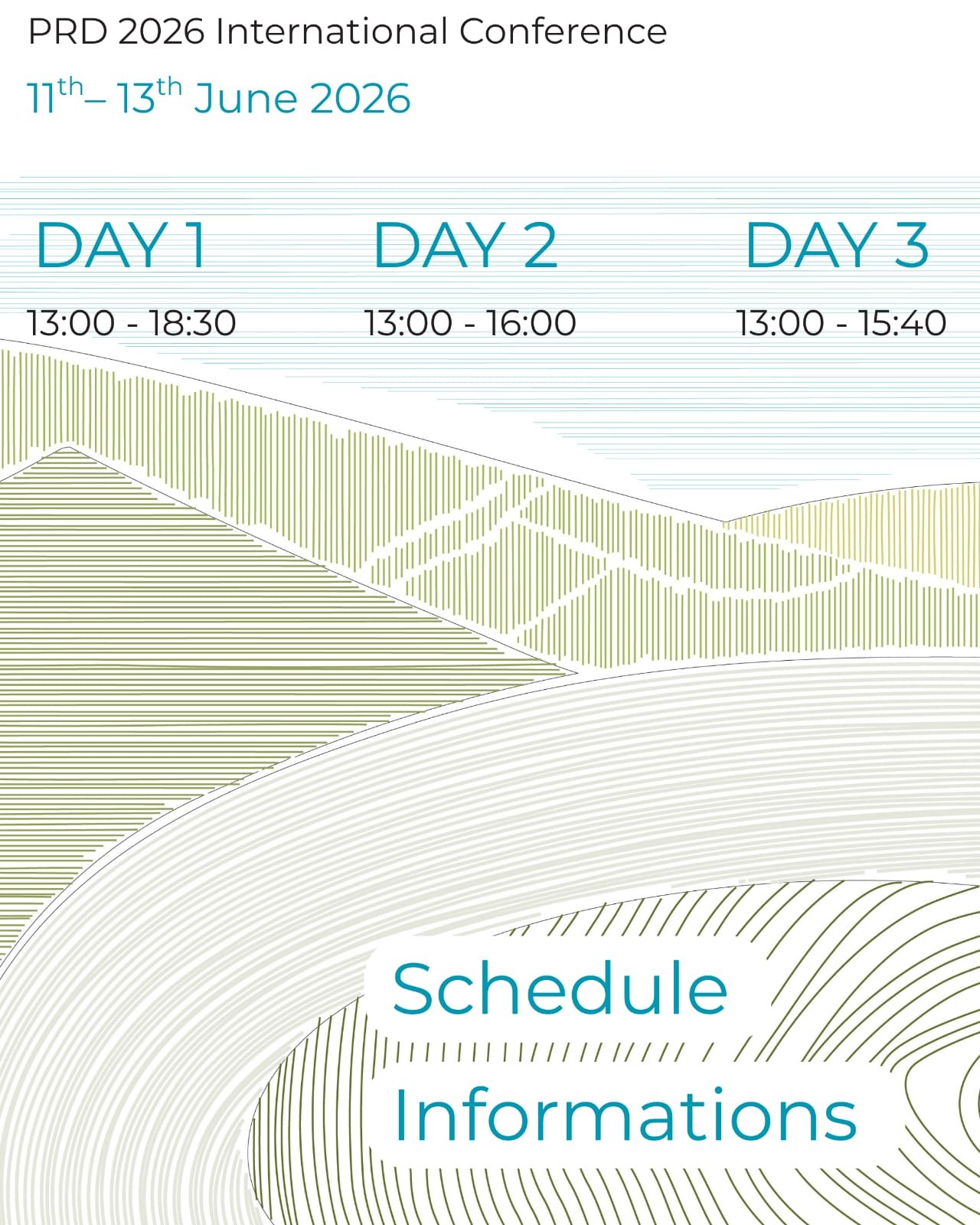
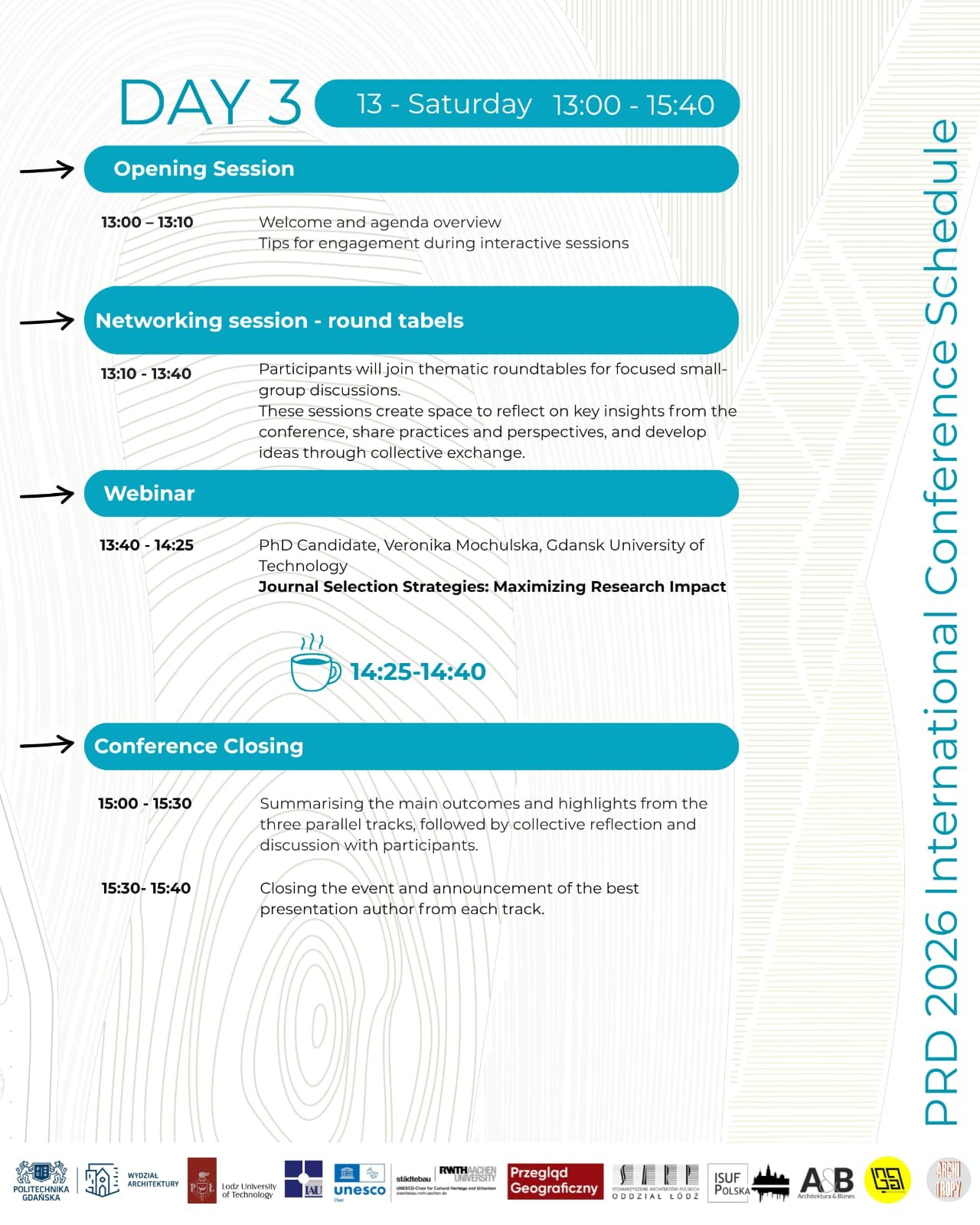
11th –13th June 2026
7 May 2026
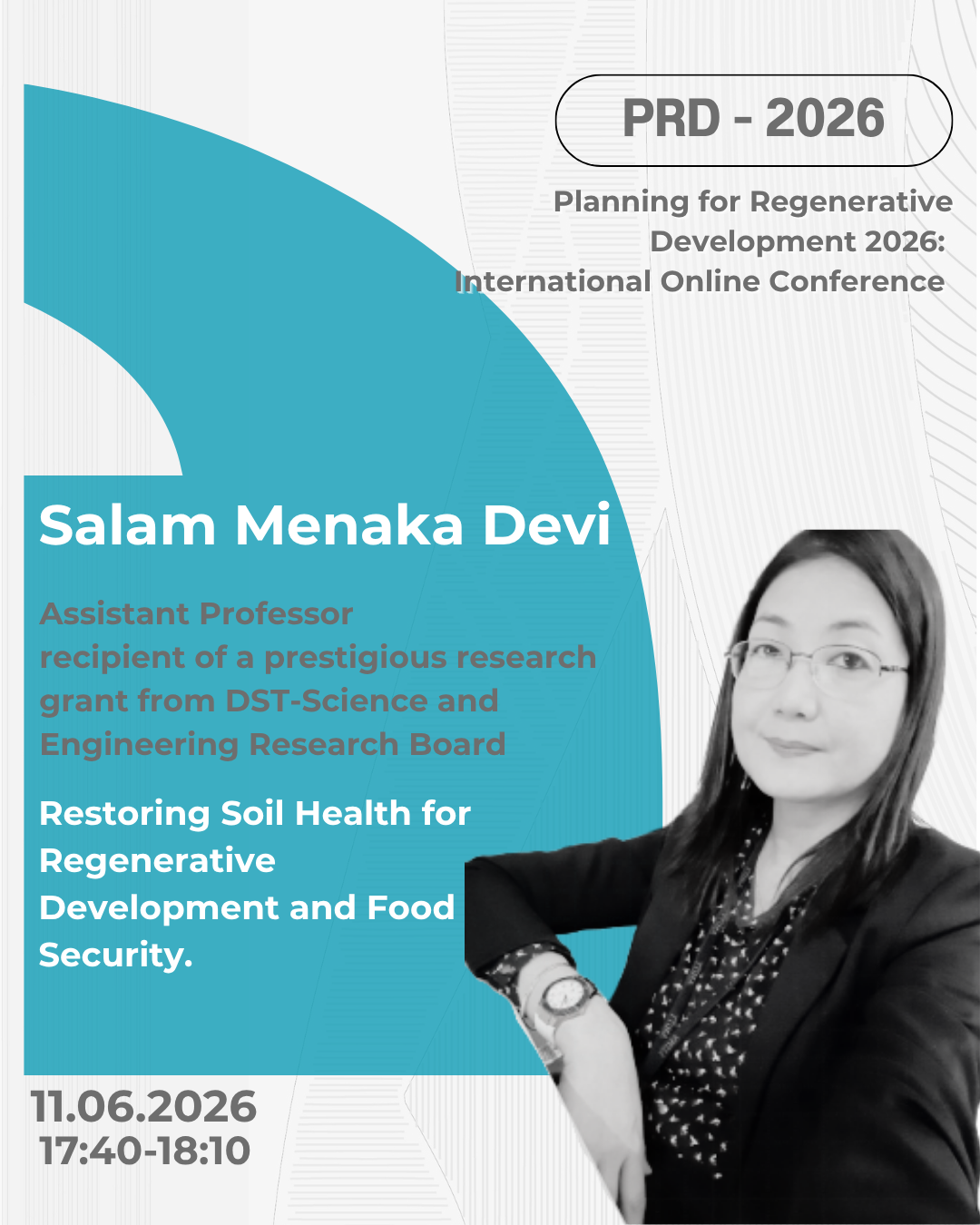
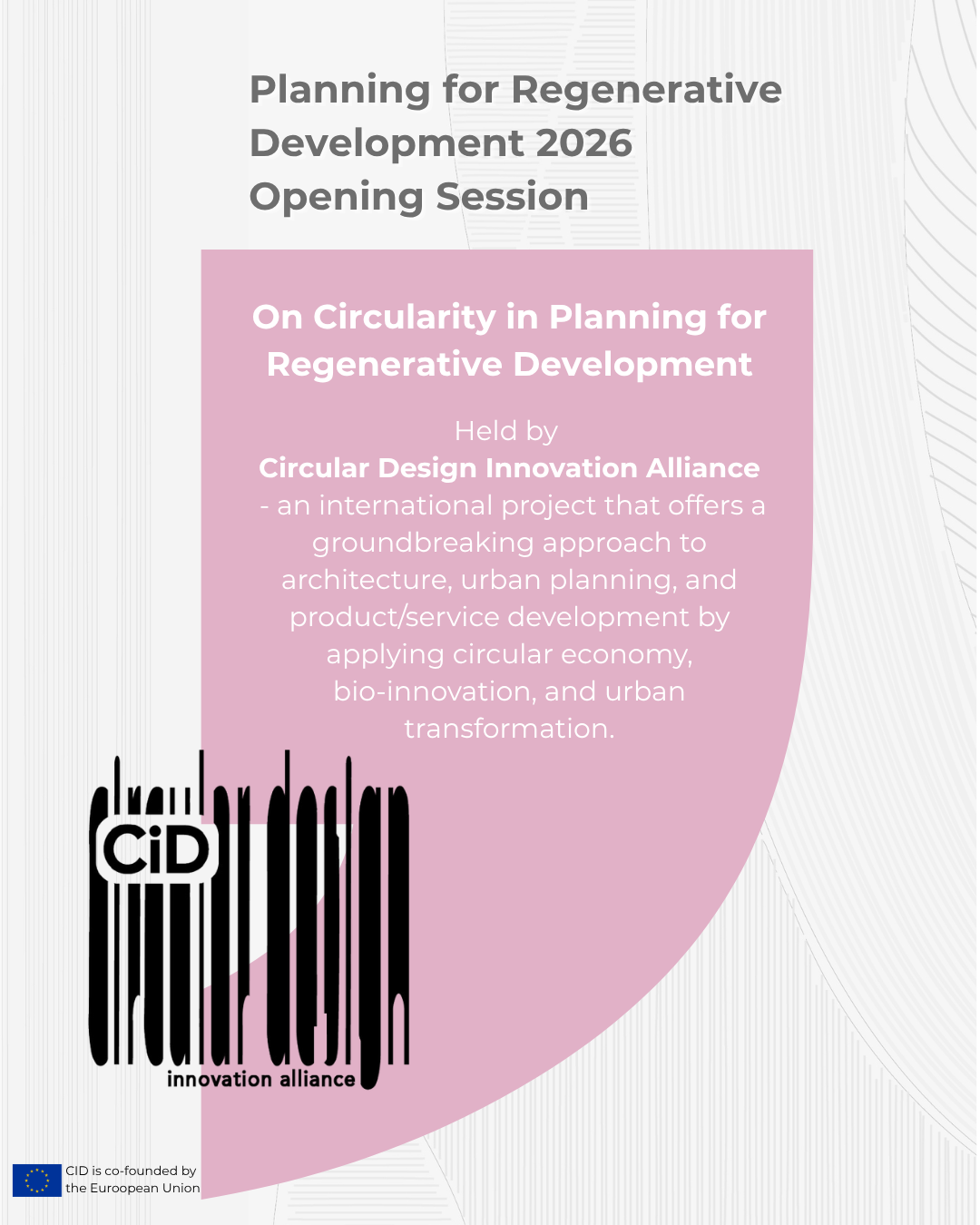
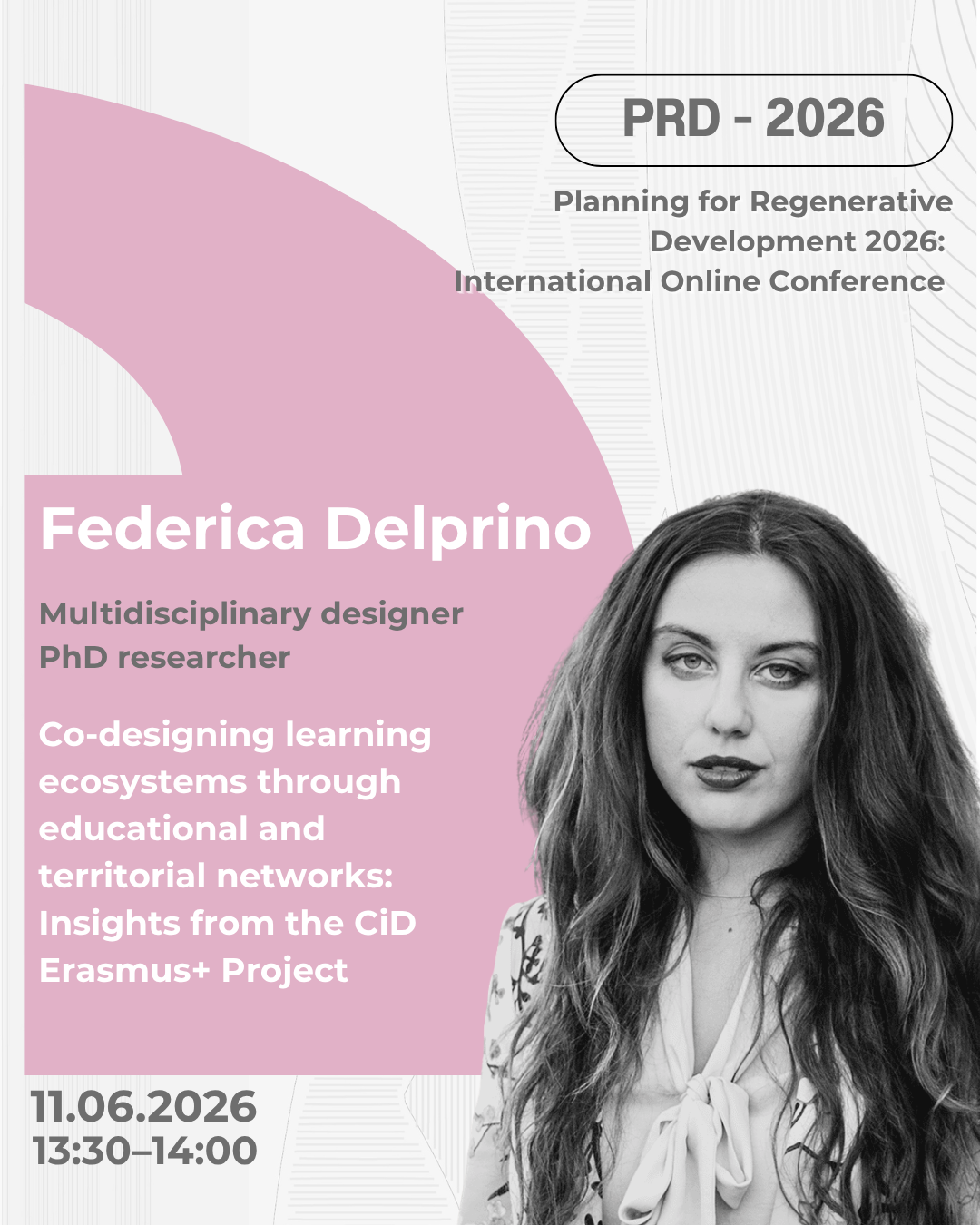
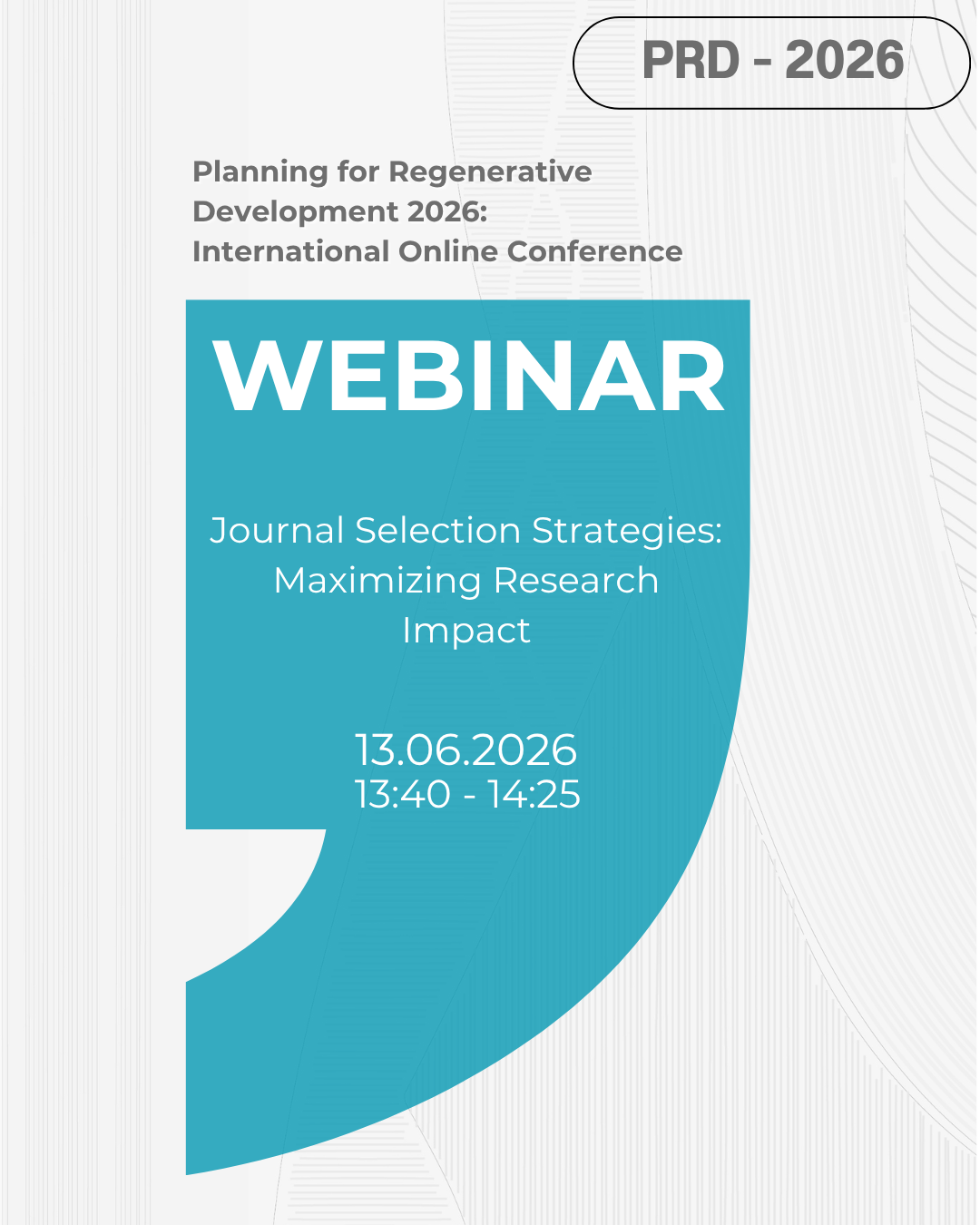
The PRD 2026 International Scientific Conference, organized by Babu Space Actions Platform and Archi.tropy, advances Rethinking Spatial Planning and Design to create Regenerative Systems through place-based, systemic approaches in which ecological, social, and cultural systems thrive together.
The conference welcomes young researchers (MSc students, PhD candidates, postdoctoral researchers, early-career professionals, planners, designers, policymakers, and other interested participants. Applications are open to individuals from disciplines aligned with the conference scope, including architecture, urban and landscape planning, ecology, environmental science, geography, soil science (agriculture), biochemistry, and related fields
Regenerative design, regenerative planning, ecosystem regeneration, landscape
restoration, climate-resilient regeneration
This track examines how spatial planning, urban design, and landscape interventions can move beyond sustainability, traditionally focused on minimizing harm, toward regenerative approaches that actively restore and enhance ecological systems. Regenerative planning and design aim to improve ecosystem health, rebuild biodiversity, and strengthen the adaptive capacity of landscapes, particularly in degraded, underused, or environmentally vulnerable areas (Albareda & Branzei, 2024; du Plessis, 2012).
The track invites contributions that explore regenerative spatial strategies across scales, from site-specific interventions to urban and regional frameworks. Relevant approaches include ecosystem regeneration, landscape restoration, regenerative urban design, and nature-based solutions that restore ecological functions while supporting long-term environmental resilience (Blanco et al., 2021; Camraas, 2022; Gibbons, 2019). Particular emphasis is placed on spatial interventions that transform degraded environments into ecologically functional and resilient landscapes.
Regenerative methodologies may integrate adaptive design pathways, enabling landscapes to recover, evolve, and respond to changing environmental conditions (Brunckhorst & Trammel, 2023). Conceptual frameworks guide the integration of ecological, spatial, and systemic processes to restore degraded urban and natural environments effectively (Buckton et al., 2023). Design strategies informed by natural systems, climate-responsive planning, and regenerative landscape infrastructure further support long-term ecological recovery (Gibbons et al., 2018; Mang & Reed, 2012).
The track encourages research and case studies demonstrating how regenerative spatial practices can reverse environmental degradation, strengthen ecosystem performance, and reposition planners and designers as active contributors to ecological recovery (Albareda & Branzei, 2024; du Plessis, 2012). Overall, this track seeks to advance regenerative approaches as a new paradigm in spatial planning and design, one that moves beyond sustaining current conditions to restore and renew ecological systems through spatial intervention.
Complex systems dynamics, socio-ecological interdependence, cross-scalar coordination, collaborative governance, integrated planning frameworks.
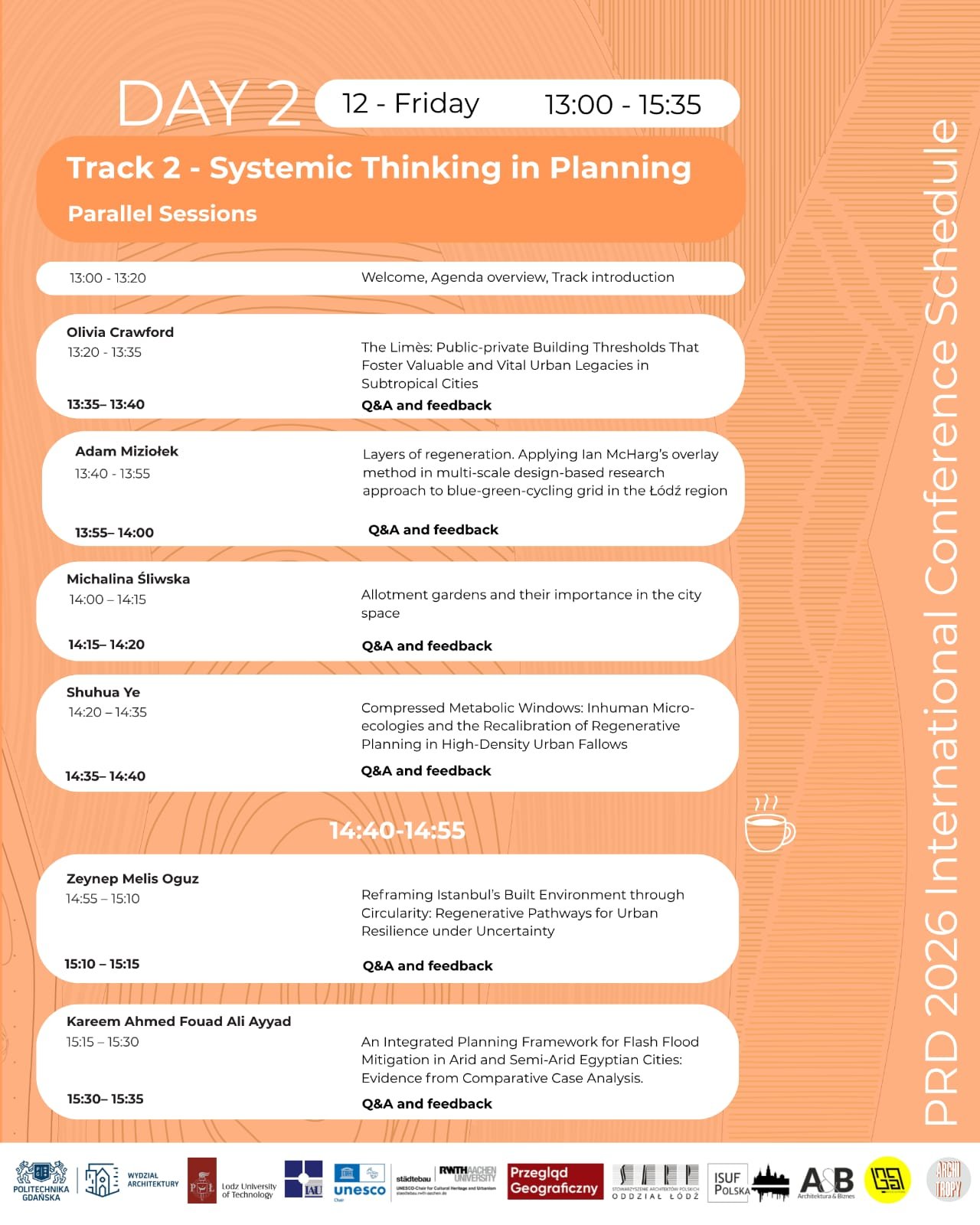
This track emphasizes understanding and planning for the complex interconnections between ecological, social, and cultural systems in both urban and rural landscapes. It explores how human actions, urbanization, and ecological processes interact to shape landscapes, communities, and cities, highlighting the need for holistic, multi-scalar planning approaches (Grimm et al., 2000; Andersson et al., 2021).
Contributions may focus on frameworks and methodologies that reveal socio-ecological interdependencies, including ecosystem service mapping, social-ecological network analysis, and metabolic urbanism, which examines resource flows and interactions across scales (Egerer & Anderson, 2020; McPearson et al., 2016). Research might explore how urban-rural integration, connectivity, and governance coordination influence resilience, sustainability, and the ability of human and ecological systems to adapt to change (He et al., 2024; Igwe et al., 2025).
The track encourages studies that investigate knowledge exchange and collaborative governance as tools to manage complex system dynamics, particularly where local, scientific, and indigenous knowledge intersect to inform decision-making and planning interventions (Adams et al., 2014; McPhearson et al., 2021). Case studies may illustrate how integrated planning frameworks can balance ecological restoration, social equity, and cultural preservation, or demonstrate adaptive strategies for managing cross-scalar interactions and long-term socio-ecological outcomes (Roches et al., 2020).
Participants are invited to contribute research that advances a systemic understanding of cities and landscapes, using interdisciplinary approaches to inform planning and design interventions that are resilient, regenerative, and socially embedded. Emphasis is placed on actionable insights, methodological innovation, cases, and frameworks that support adaptive and integrated strategies for complex, interconnected systems across urban, peri-urban, and rural contexts (Andersson et al., 2021; Grimm et al., 2000; McPearson et al., 2016). Overall, this track aims to position systemic thinking as essential to transforming planning and design practices, enabling participants to address the full complexity of socio-ecological interdependencies and develop approaches that are robust, adaptable, and informed by both science and local knowledge.
Land ethics, qualitative land-use metrics, cultural landscapes, place‑based knowledge, planetary health and well‐being
This track foregrounds the ethical and cultural dimensions of planning for planetary health, exploring how cultural practices, governance, policy, and land stewardship can influence the anthropogenic influences on the urban environment and its ecosystems (Mercado et al., 2023). It also seeks to understand how deep ecological values can inform spatial governance and design (Alexandra, 2022; Igwe et al., 2025; Paltseva, 2025). Additionally, it aims to explore the relationships between qualitative and quantitative knowledge to inform spatial planning decisions, processes, and the influence of urbanization pressures on landscapes (Akıner & Ghasri, 2025; Paltseva, 2025; Huan et al., 2025).
Drawing on foundational work in environmental ethics, contributions may examine how human communities understand and value land and nature, and how these value systems shape planning processes and outcomes (Budowle et al., 2019; Cumpston et al., 2022; Igwe et al., 2025; Saito, 2007). Research grounded in Indigenous ecological knowledge and ethical land stewardship offers valuable insights into alternatives to extractive planning paradigms (Berkes, 2017; Kimmerer, 2013), encouraging participants to explore planning frameworks that integrate indigenous and local place‑based knowledge systems into contemporary practice (Akbar et al., 2020).
Furthermore, this track emphasizes equitable access to ecological and cultural resources. It examines how planning and policy can address inequities and support inclusive governance of land and environment. Contributions might investigate justice‑oriented frameworks for territorial transformation that reconcile ecological sustainability with social equity (Biermann & Kalfagianni, 2020). They may also present case studies in which communities have negotiated land rights, stewardship, and governance in ways that enhance both human and ecological well‐being (Durán et al., 2023; Hickel, 2024). Such research deepens understanding of how ethics, policy, and spatial interventions can enable just transitions that honour cultural identity,
intergenerational equity, and ecological integrity.
This track welcomes work that connects planetary health principles with actionable governance strategies and planning instruments. Research may examine regulatory innovations, multi‑actor partnerships, and institutional processes that embed ethical, cultural, and ecological values into planning regimes, exploring the gaps and opportunities for integrating planetary health into formal decision‐making (Campbell, 2016). Moreover, contributions can draw on qualitative measures derived from place-based observations and knowledge, as well as on regenerative qualitative and quantitative measures originating from traditional or local practices, which could inform a transition towards Planning for Regenerative Development in spatial
planning (Maiullari et al., 2026; Stronge et al., 2020; Xie et al., 2024; Hooimeijer & Maring, 2018).
Finally, this track invites conceptual and empirical contributions that situate planetary health and its parameters within broader scientific knowledge, bridging philosophical frameworks, ecological vulnerability assessments, and cultural landscape scholarship (Cumpston et al., 2022; Igwe et al., 2025; Stronge et al., 2020; Xie et al., 2024). Studies might examine how values, beliefs, and cultural meanings influence perceptions of land and environment, revealing how planning can contribute to healthier socio‑ecological futures that respect diversity, sustainability, and stewardship (Escobar, 2020; Toner et al., 2023; Turner et al., 2003). Within this thematic track, we also warmly welcome contributions from authors working on environmental pollution research, as well as from those involved in the creation and editing of pollution maps.
Abstract Submissions may present theoretical or empirical research, as well as design-based and practice-led studies, including critical reflections on the limits, contradictions, and governance challenges of regenerative development. Contributions may also include ongoing research, conceptual frameworks, or case studies on regenerative urbanism, ecological planning, and holistic approaches to spatial development. Selected participants are requested to deliver a 15-minute presentation, followed by an open discussion with peers and invited experts. Participants with outstanding presentation quality will receive a Certificate of Best Presentation.
All accepted abstracts and extended abstracts will be published in a digital abstract book (Conference Proceedings). A selection of submissions (8 papers) will be recommended for publication in the Polish Geographic Review (70 MSWiE; free of charge), published by the Polish Academy of Sciences: https://przegladgeograficzny.igipz.pan.pl/editorial-guidlines.html
As part of this conference, authors whose abstracts are accepted will have the opportunity to submit a full research article to the Polish Geographical Review. Publication in the Polish Geographical Review is 70 points MEiSW FREE OF CHARGE (open access with DOI and ISBN).
IMPORTANT!!
It is mandatory to follow current recommendations while preparing the manuscript. The instructions can be found at the journal website bookmark – FOR AUTHORS:
https://przegladgeograficzny.igipz.pan.pl/editorial-guidlines.html
International seminar on urban form’ (isuf) polska, przegląd Geograficzny
Gdańsk University of Technology, Faculty of Architecture, Łódź University of Technology. RWTH Aachen University
Architektura & Biznes
Bahaa Bou Kalfouni, Edyta Skyba, Diana Enab, Yara Al-Khalaylah, Ahmed Al-Mashhadani
All questions about submissions should be mailed to: prd052026@gmail.com


OPERATED BY BRAINY MEDIA AGENCY | +961 76132354
Copyright © 2025. All rights reserved.
OPERATED BY BRAINY MEDIA AGENCY | +961 76132354
Copyright © 2025. All rights reserved.
