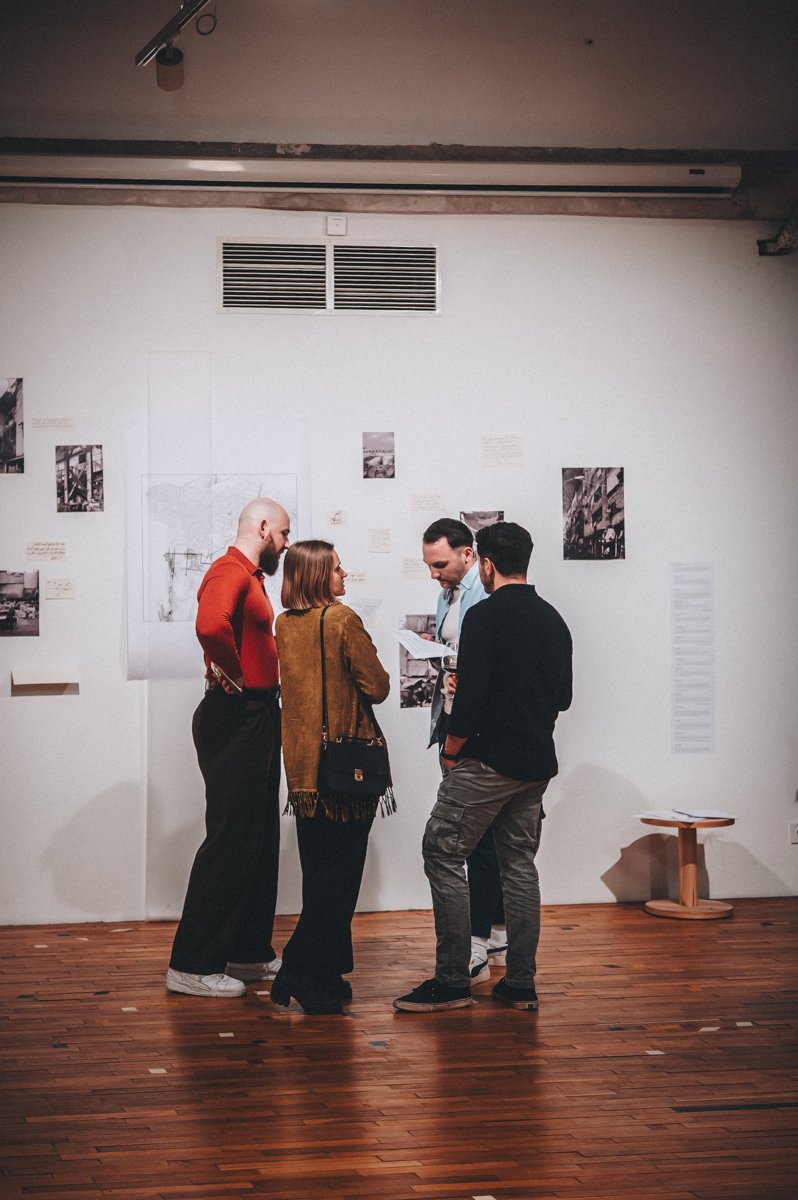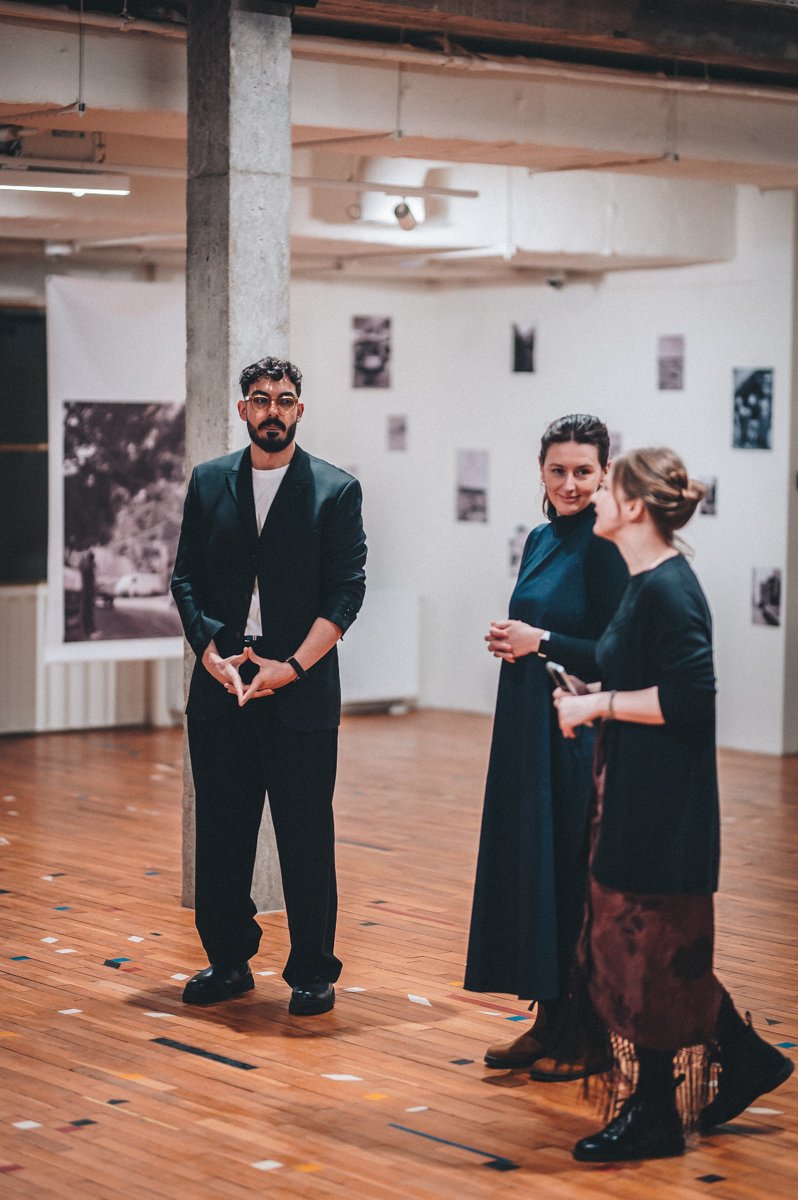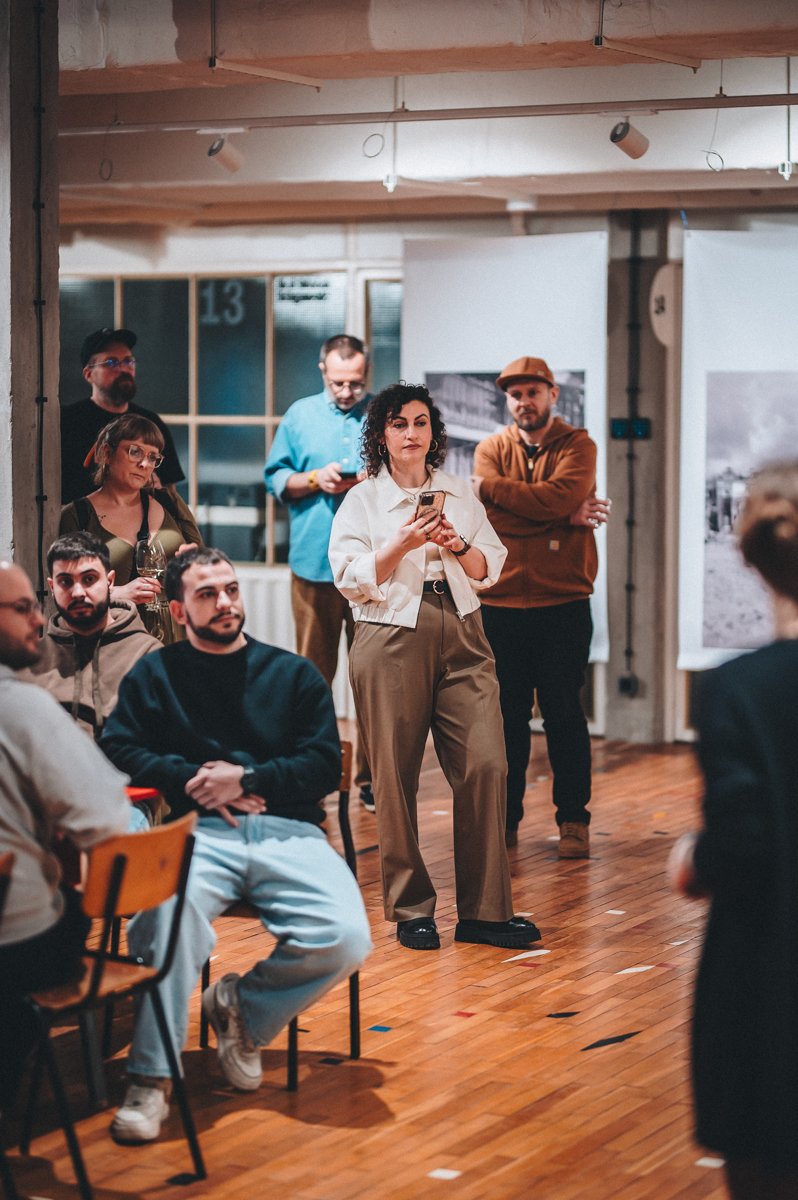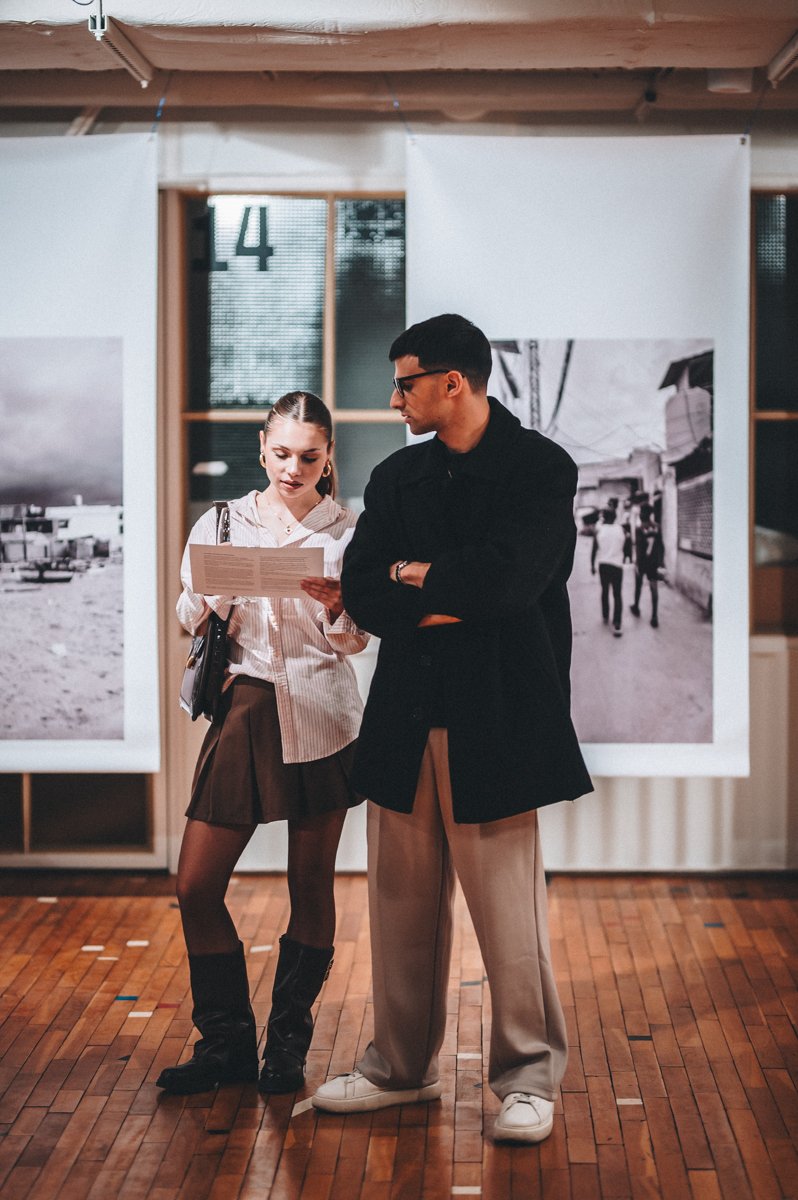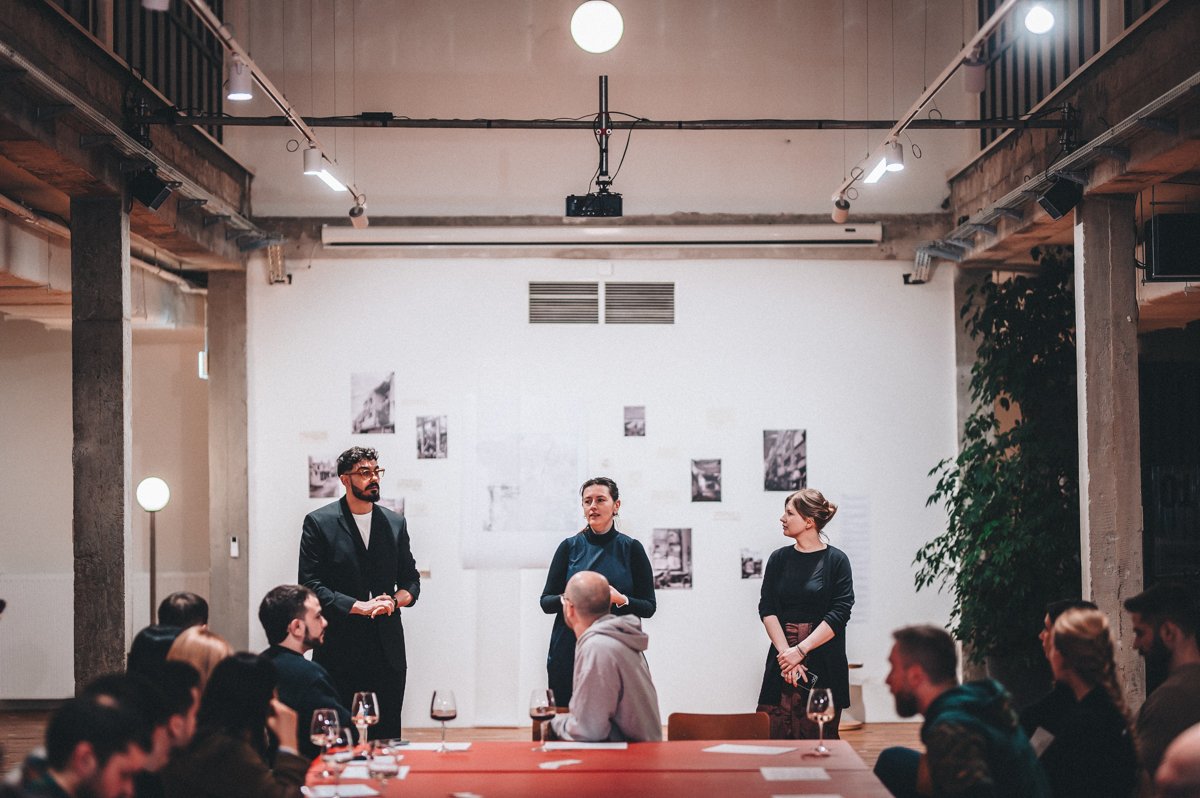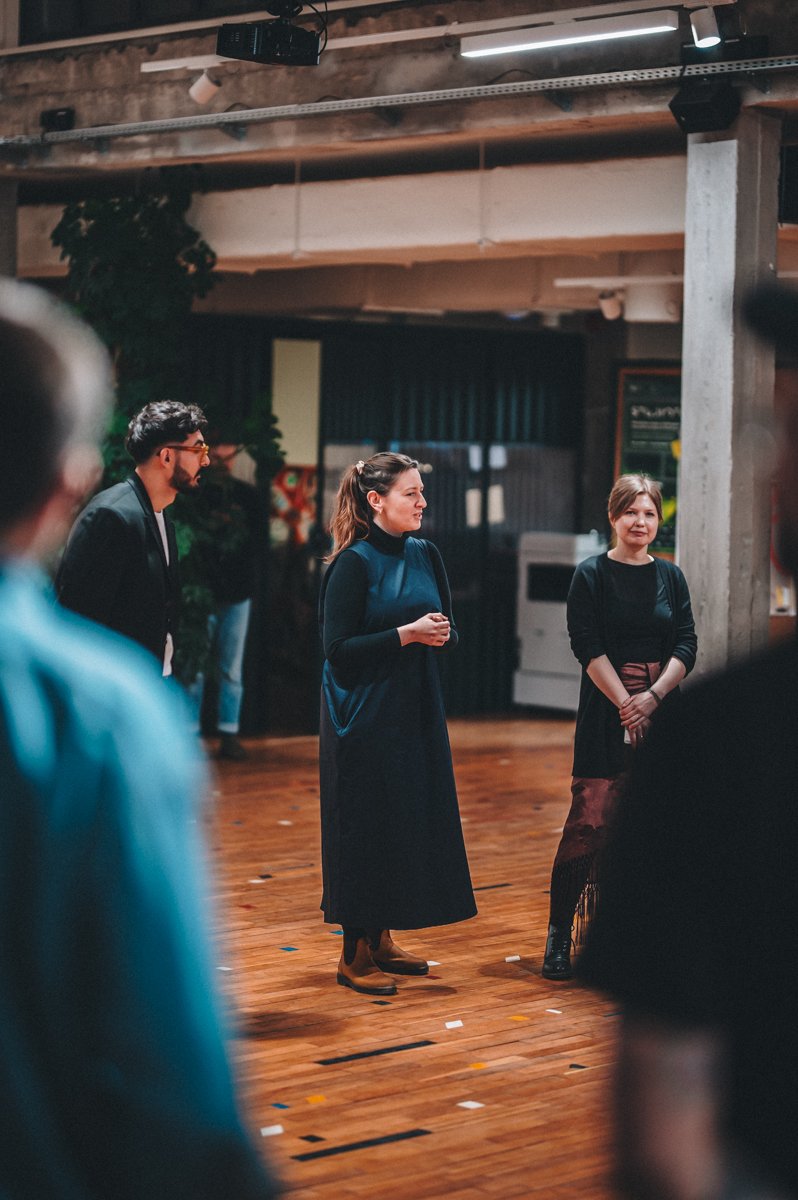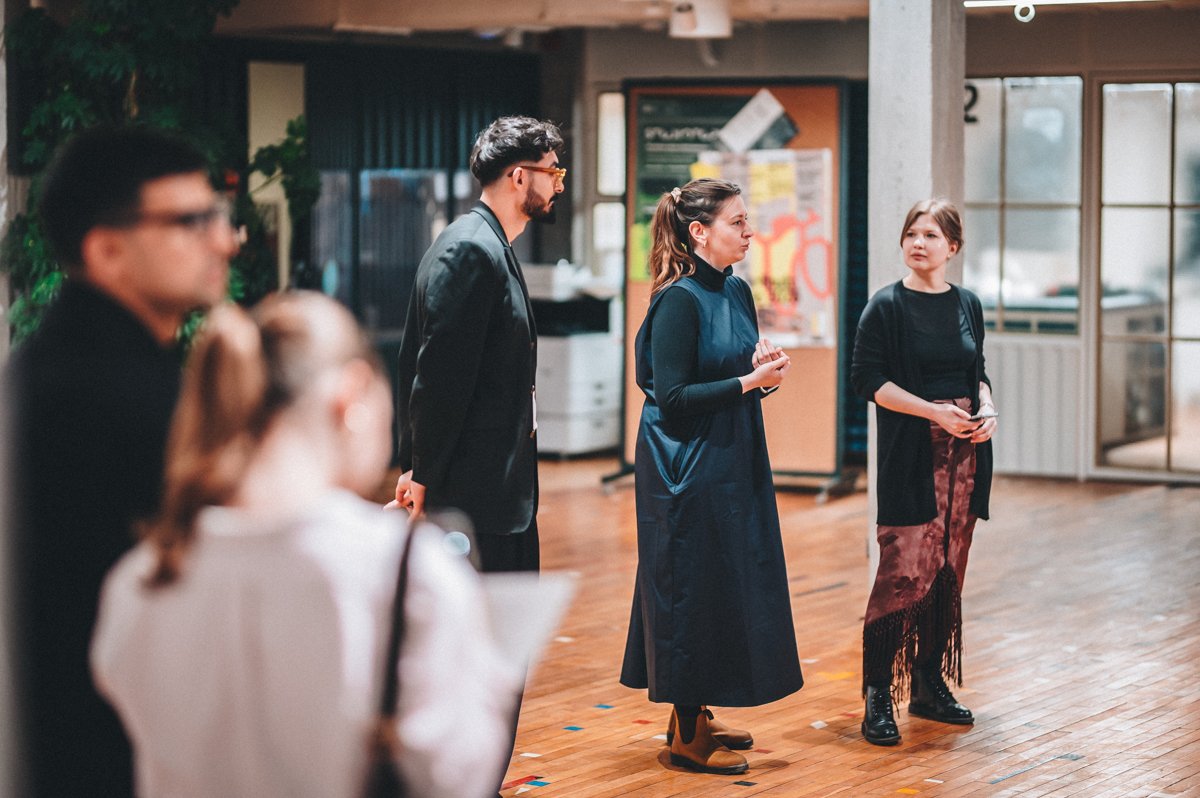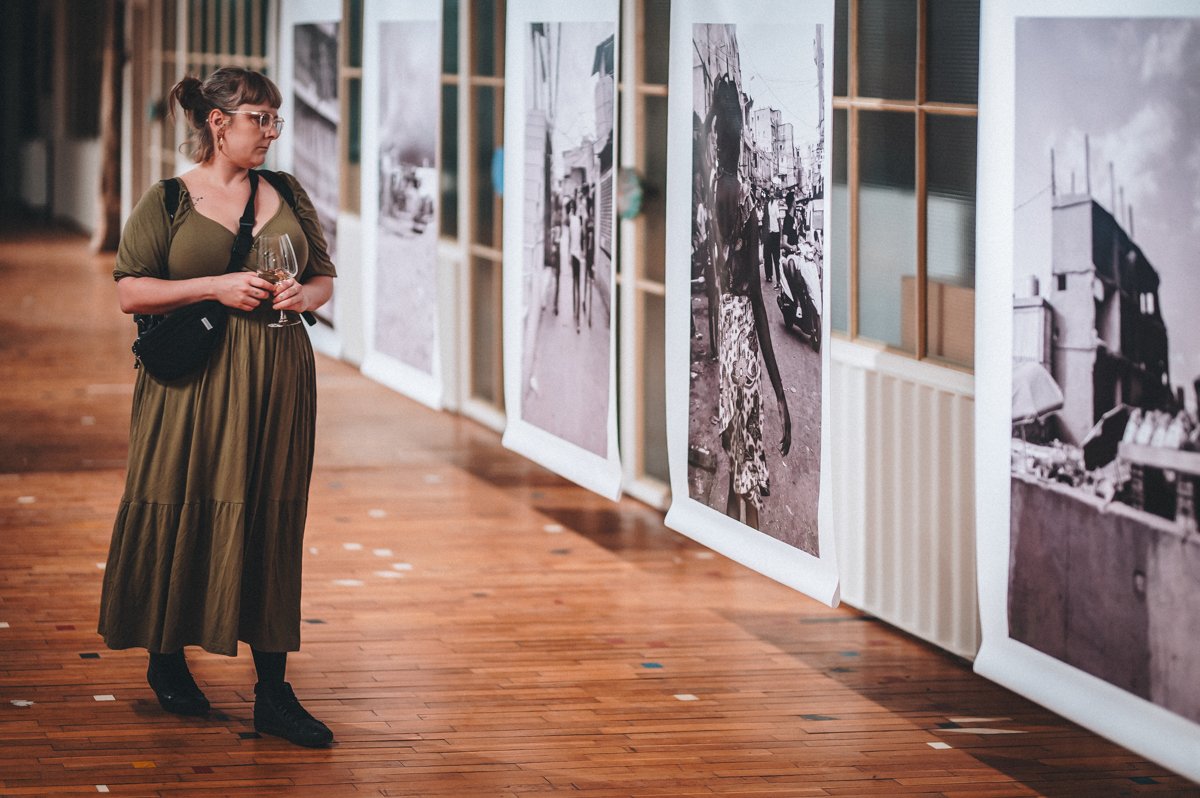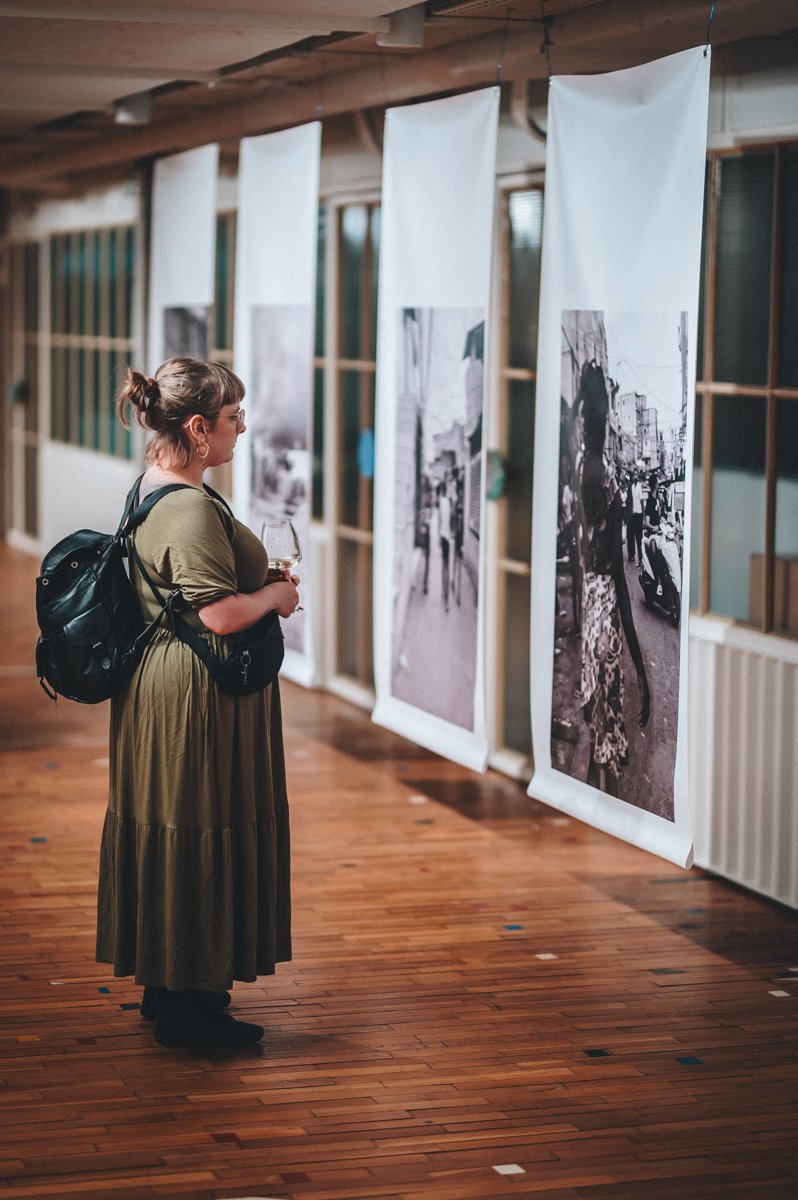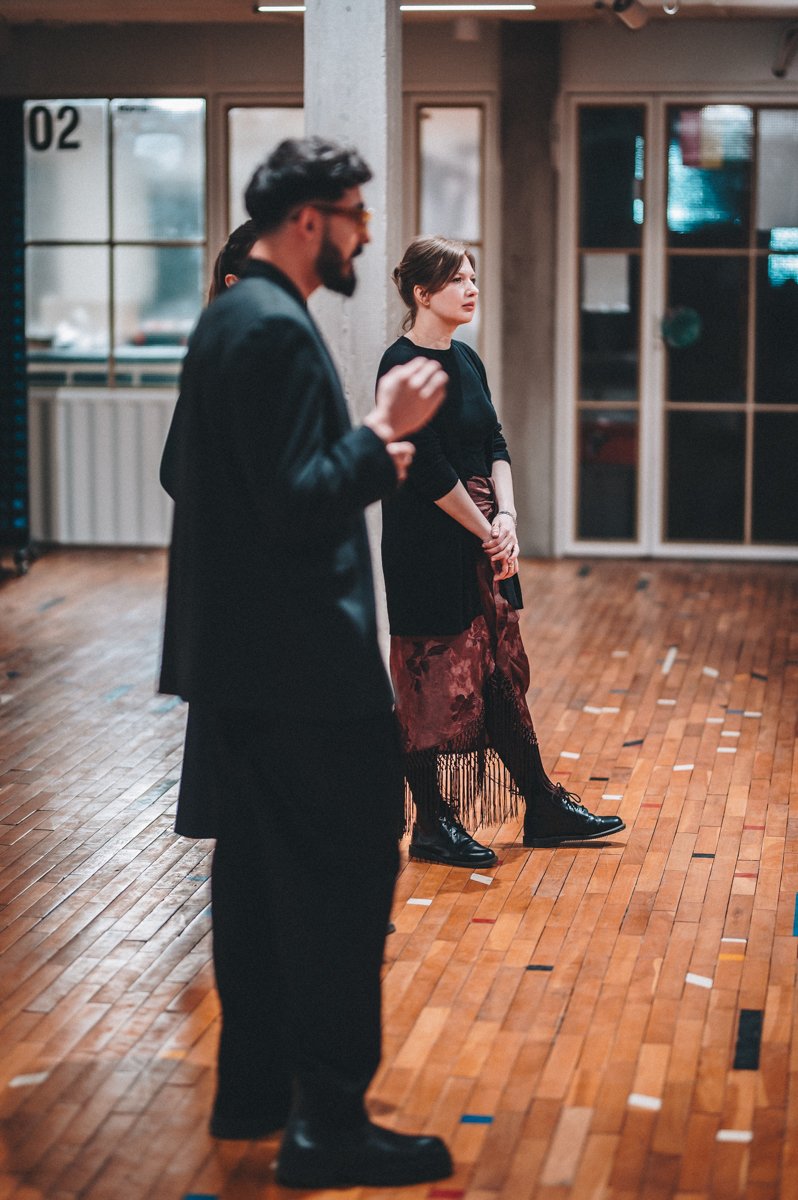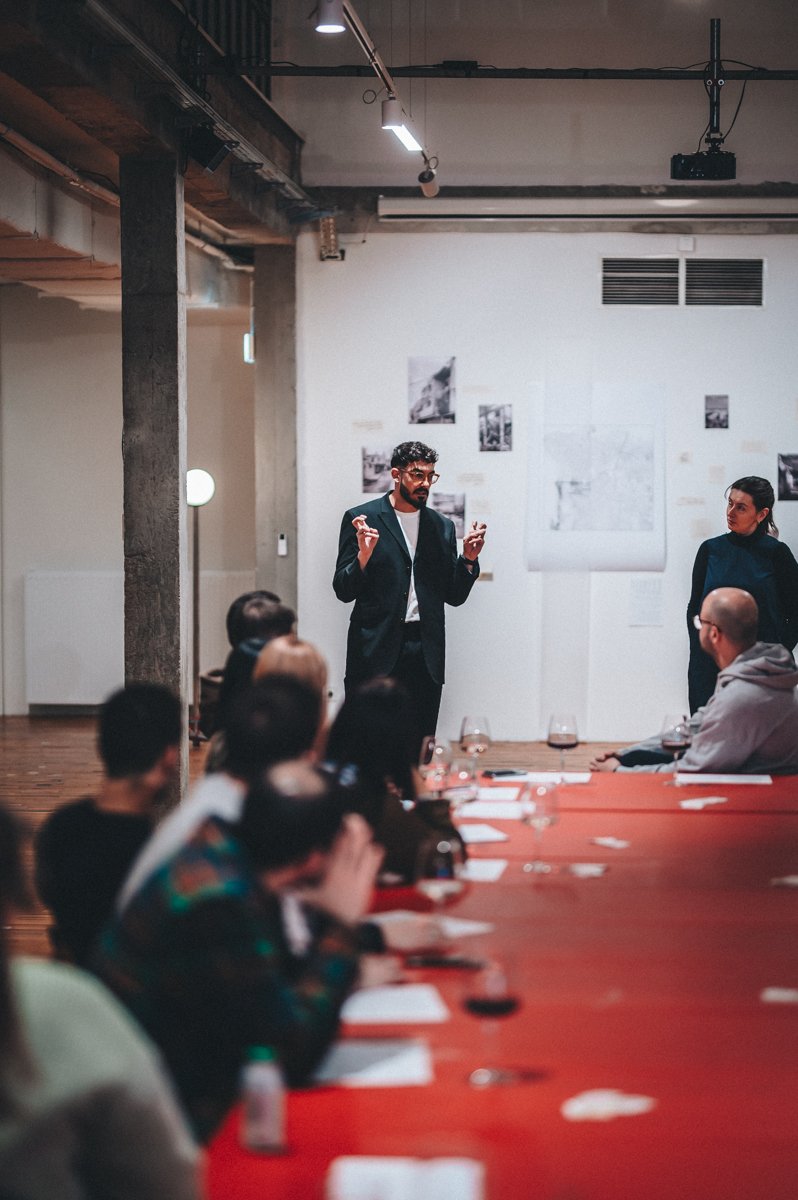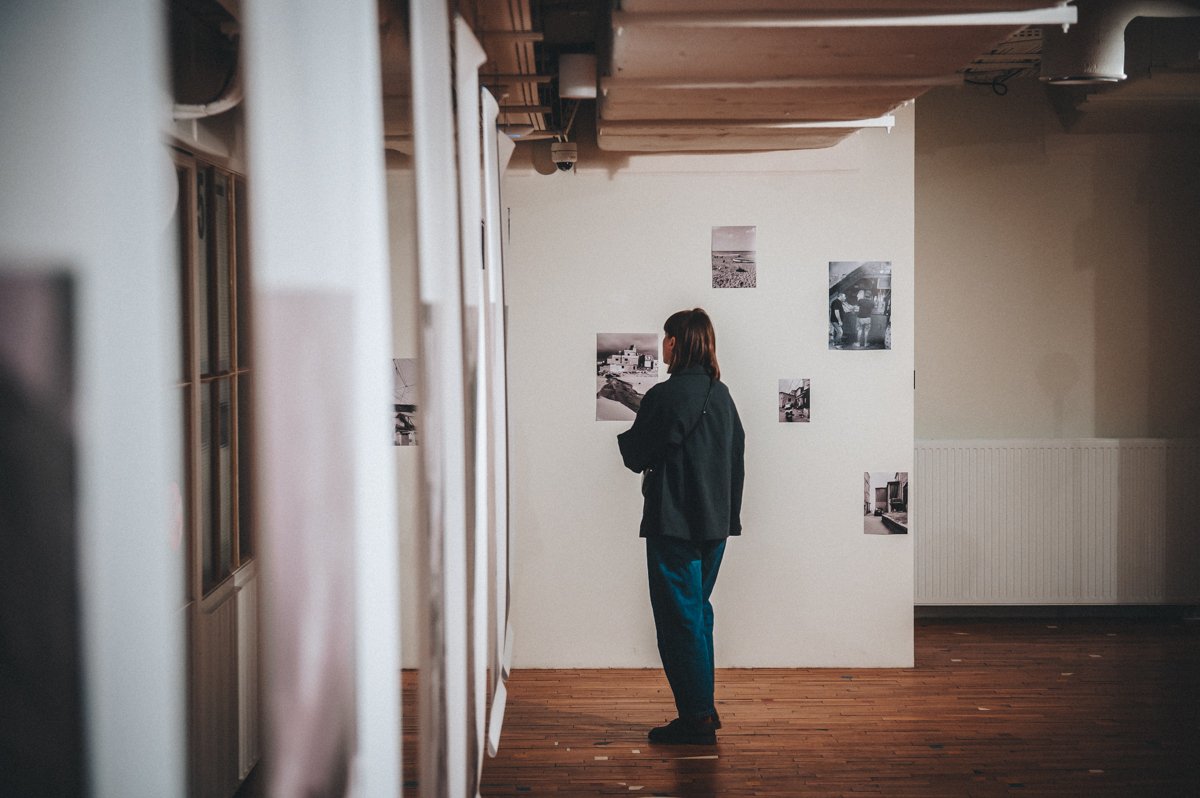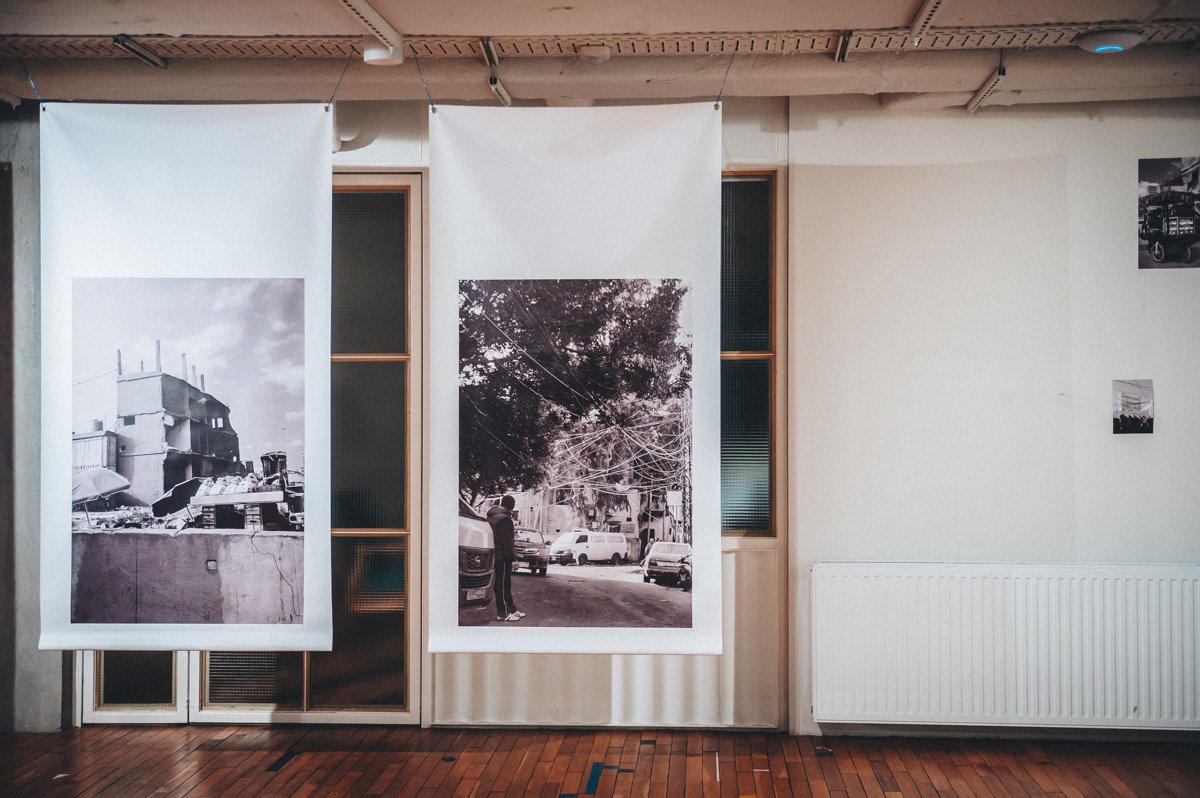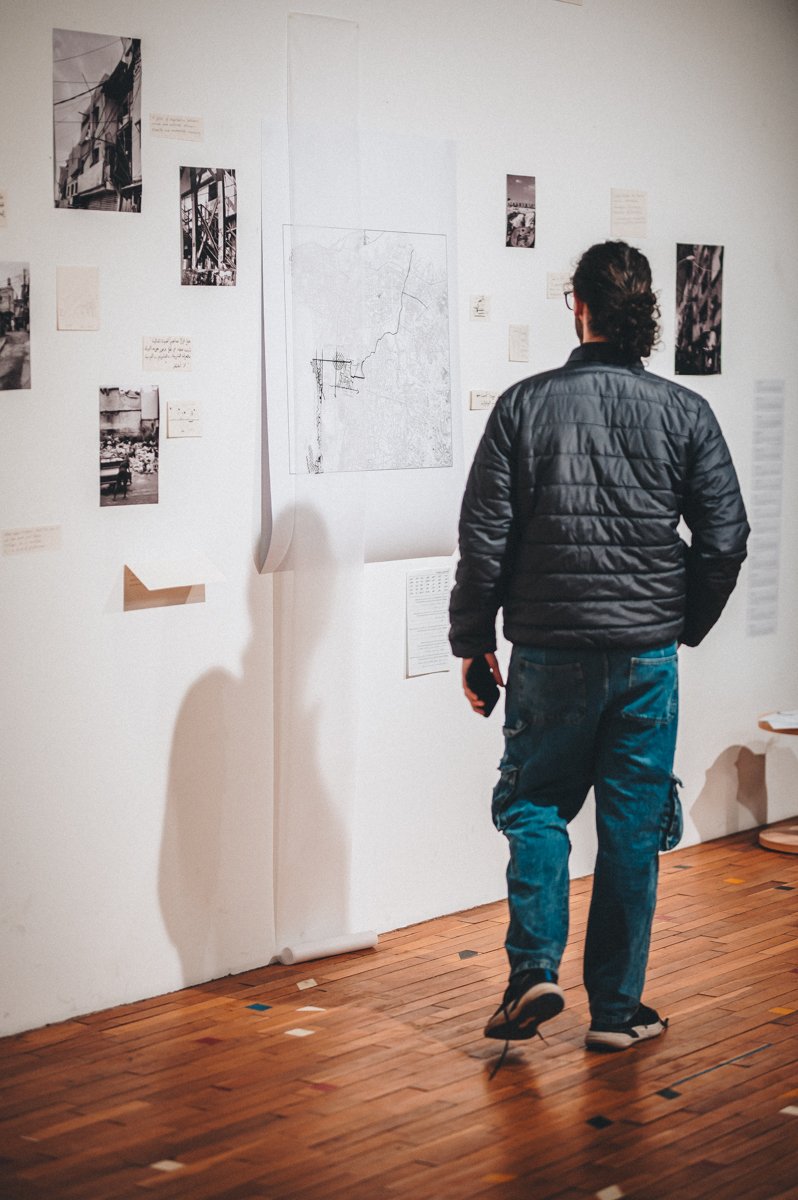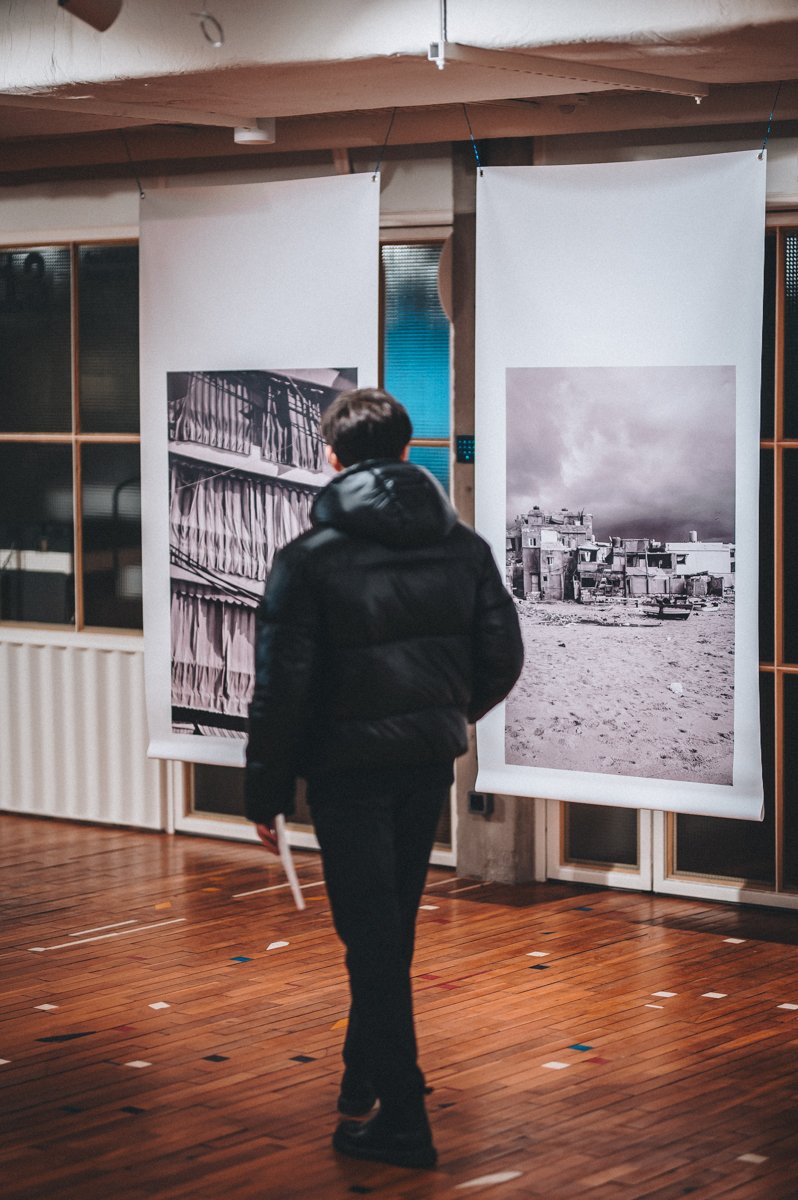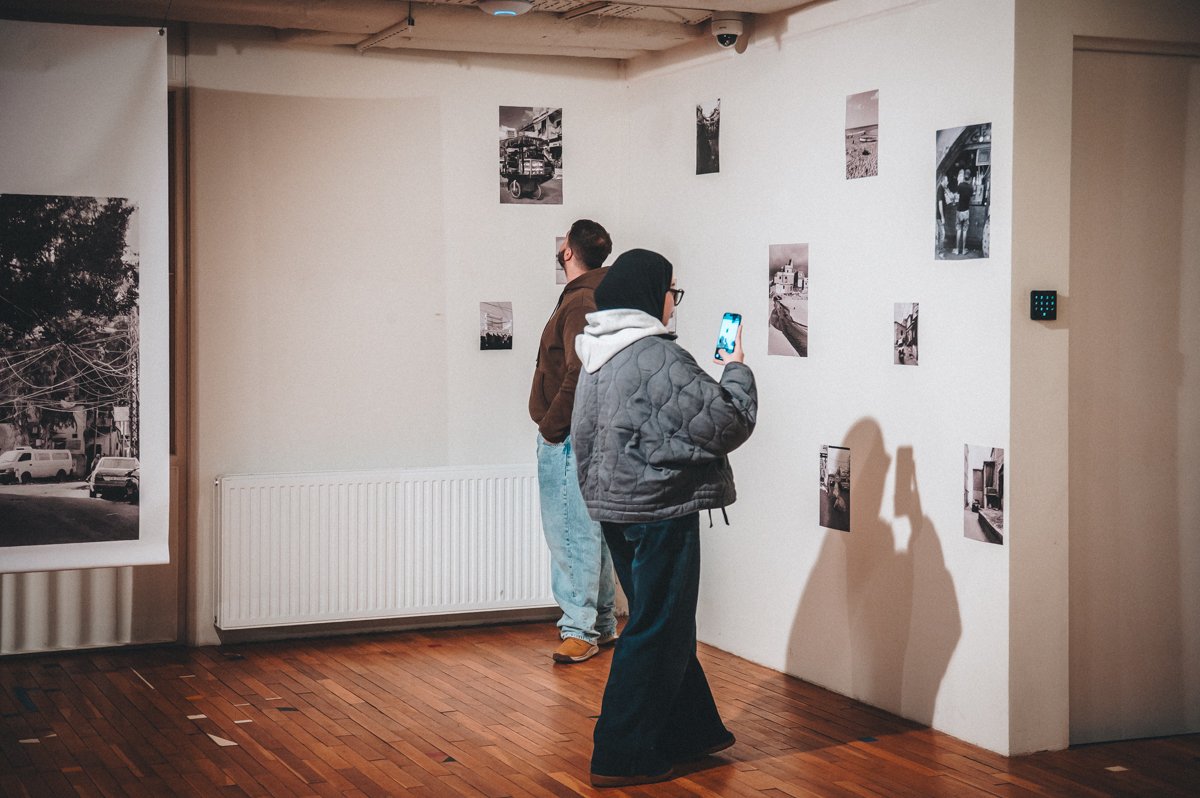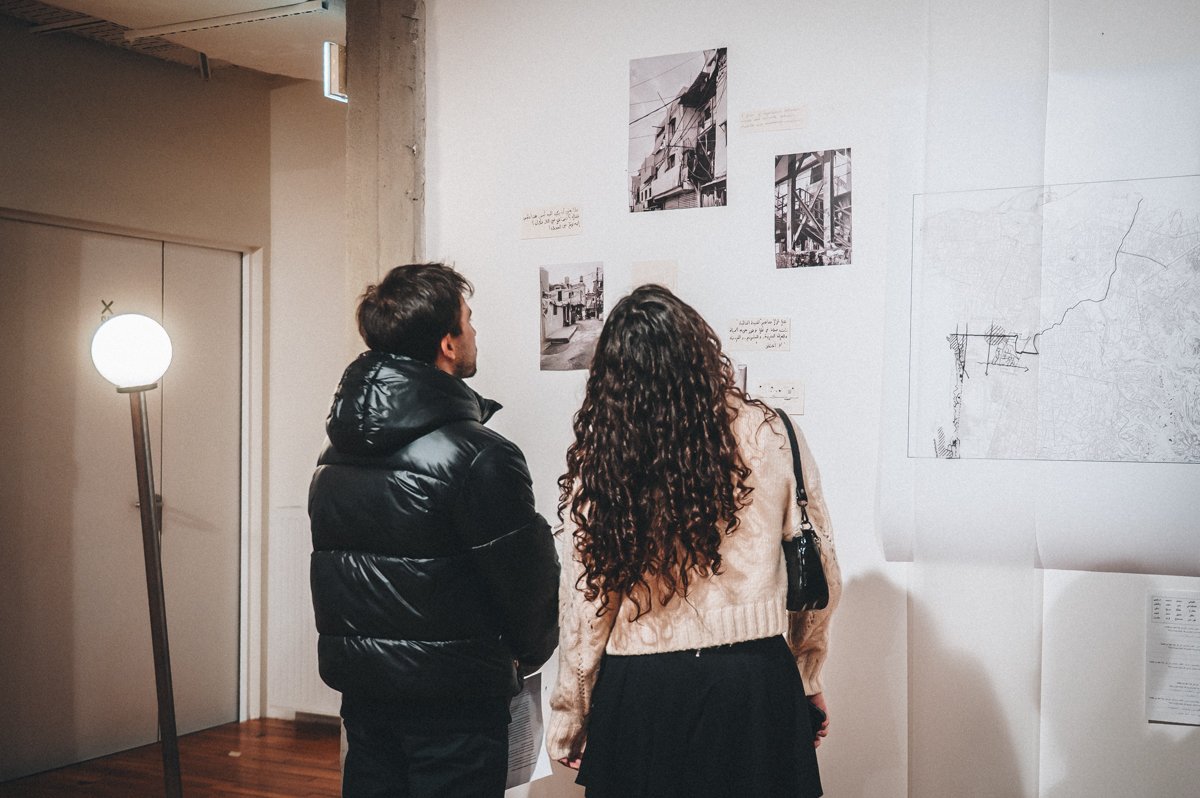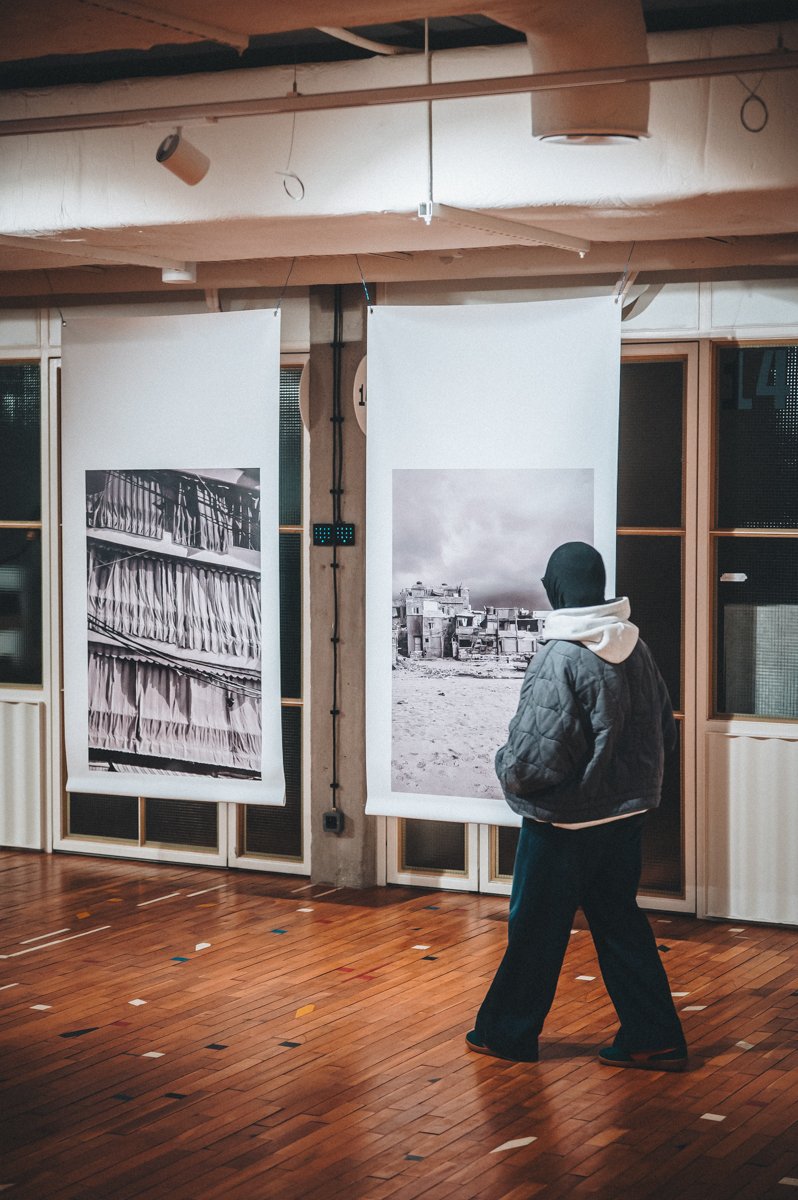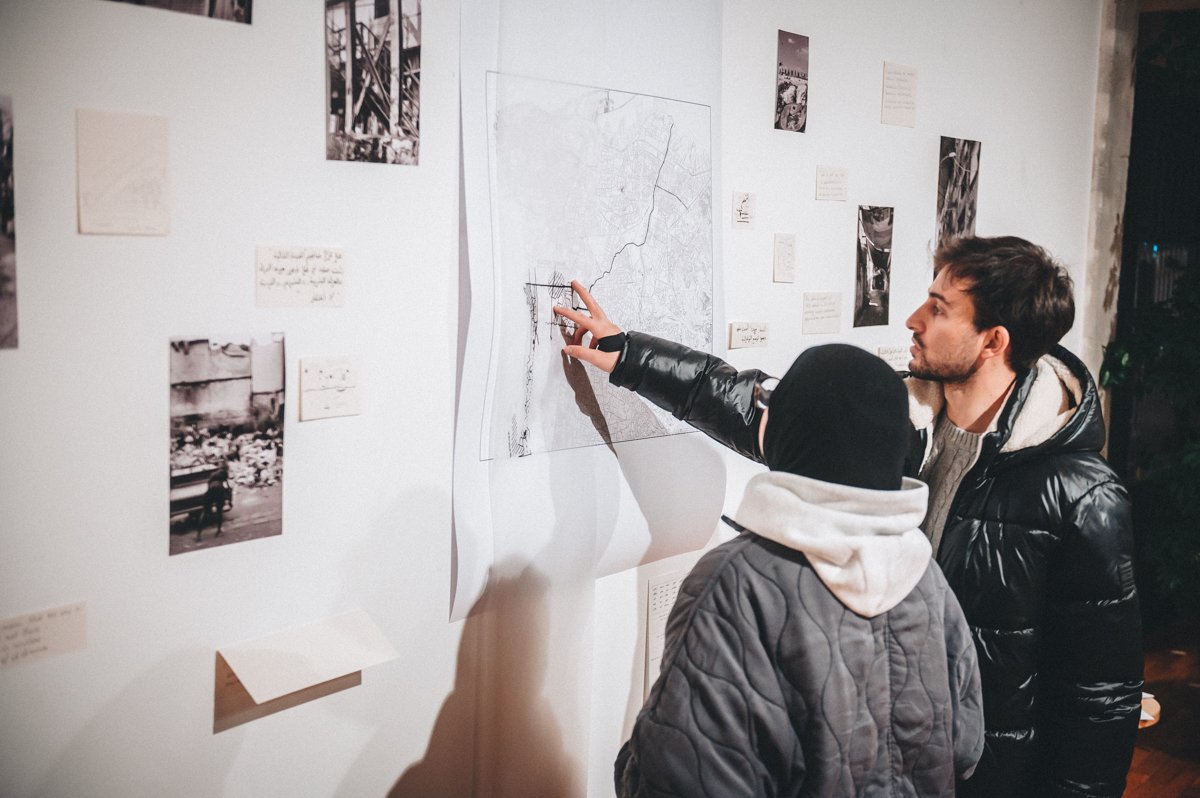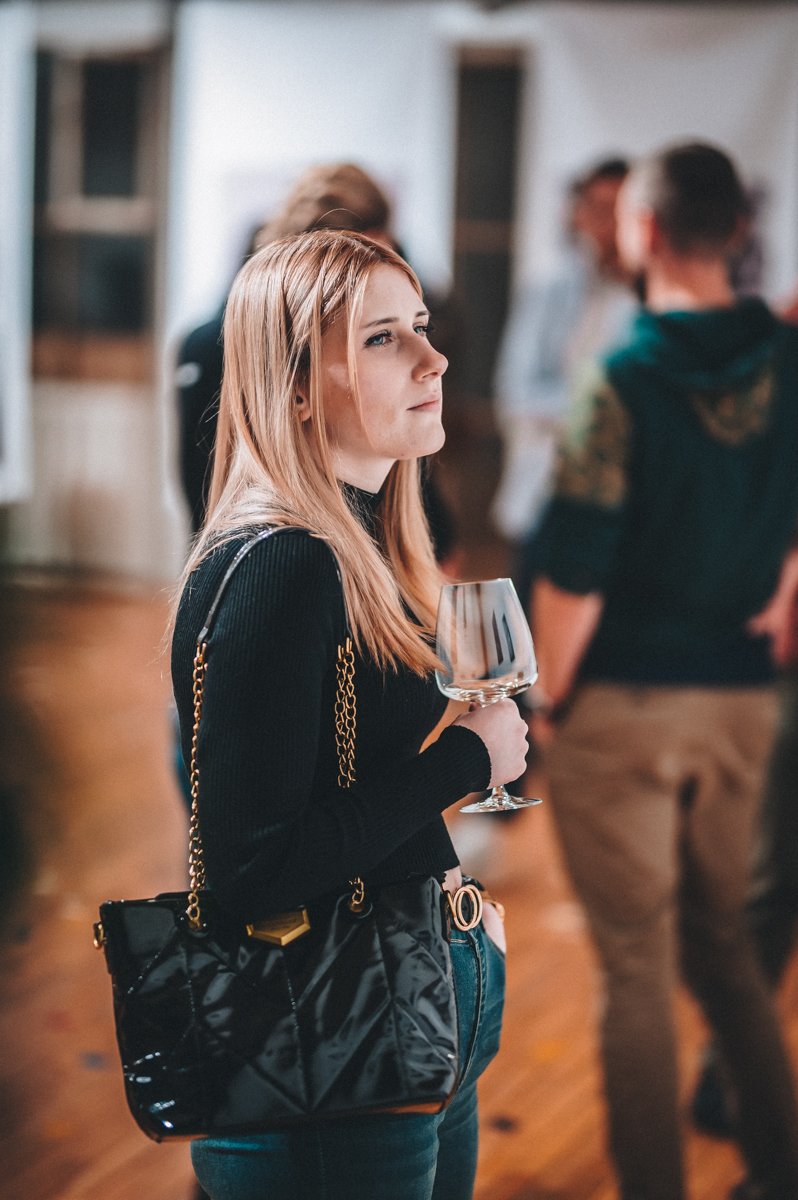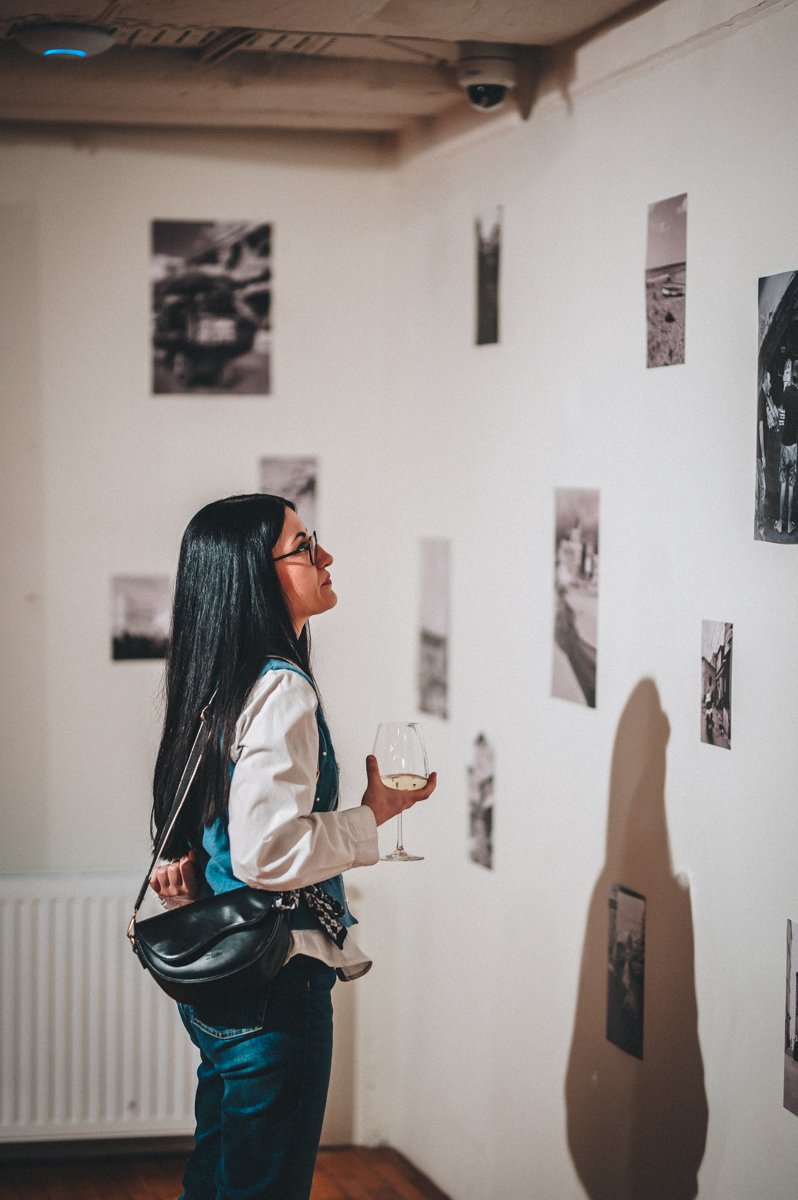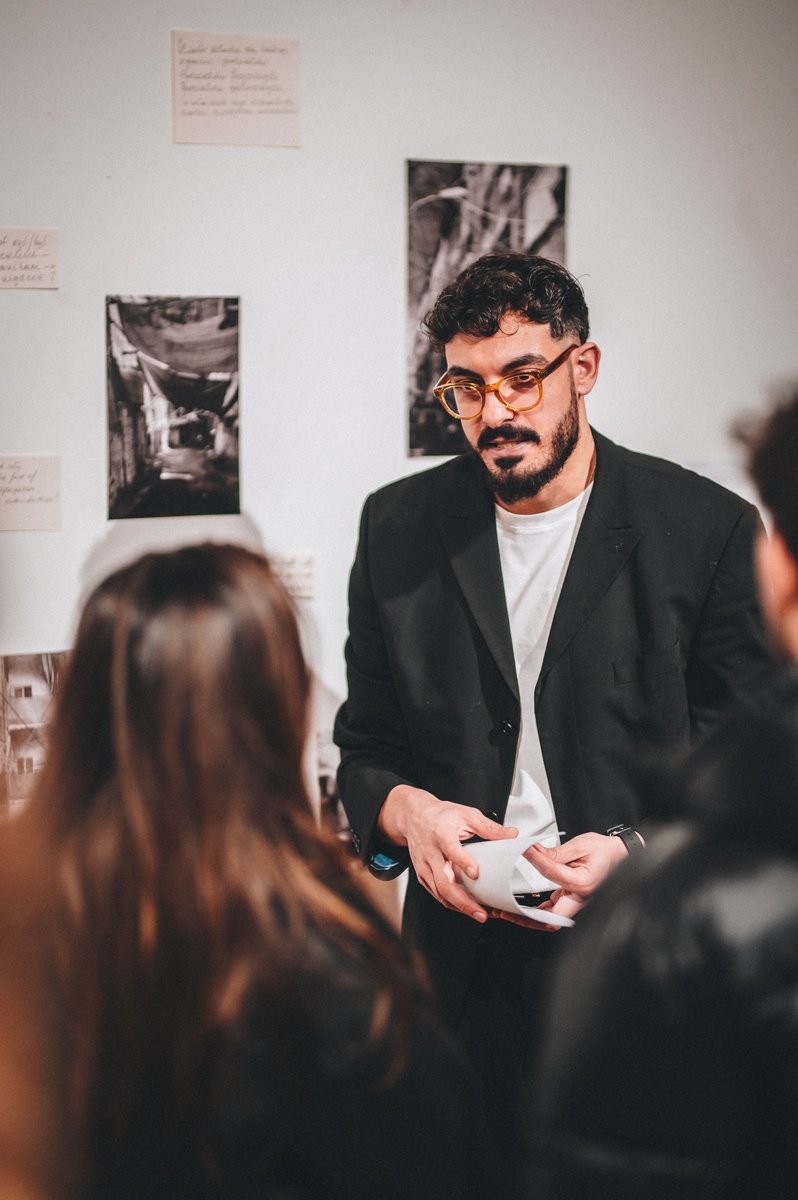

This exhibition presents the culmination of six years of research between Poland (Gdańsk) and Lebanon (Beirut’s peripheral neighborhoods: Sabra/Shatila and Ouzai/Jnah). Through photographs and research fieldwork, the author explores how architecture and daily life adapt to an unstable reality, revealing strategies of survival, resilience, and community solidarity. Rather than romanticizing suffering, the work focuses on ordinary moments, human connections, and the ways people shape and live within their environment—highlighting the strength and adaptability of urban life
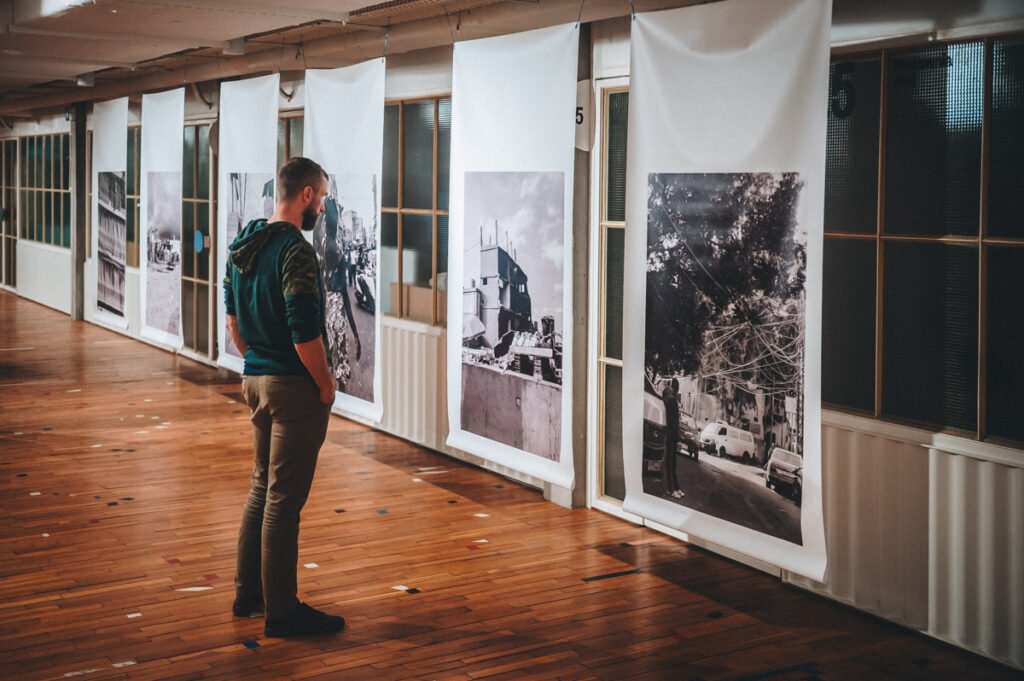
These photographs emerged from moments where witnessing became both necessary and unsettled. What drew the camera was not only the visible scene, but my own confrontation with its presence, the quiet tension of observing lives shaped by uncertainty, the discomfort of proximity, and the weight of rendering visible what often remains unspoken.
Each frame became a fragile negotiation: between empathy and exposure, presence and withdrawal, witnessing and intrusion. In Beirut’s margins, photography unfolded not as an act of capture, but as a way of remaining with these spaces, attentive to their rhythms, their vulnerabilities, and their persistent life.
These images do not seek to explain or resolve. They remain as traces of encounter, acknowledging lives and environments that endure through improvisation, fragility, and quiet persistence. In this way, photography became a form of bearing witness, an effort to remain present with honesty and an awareness of shared human vulnerability
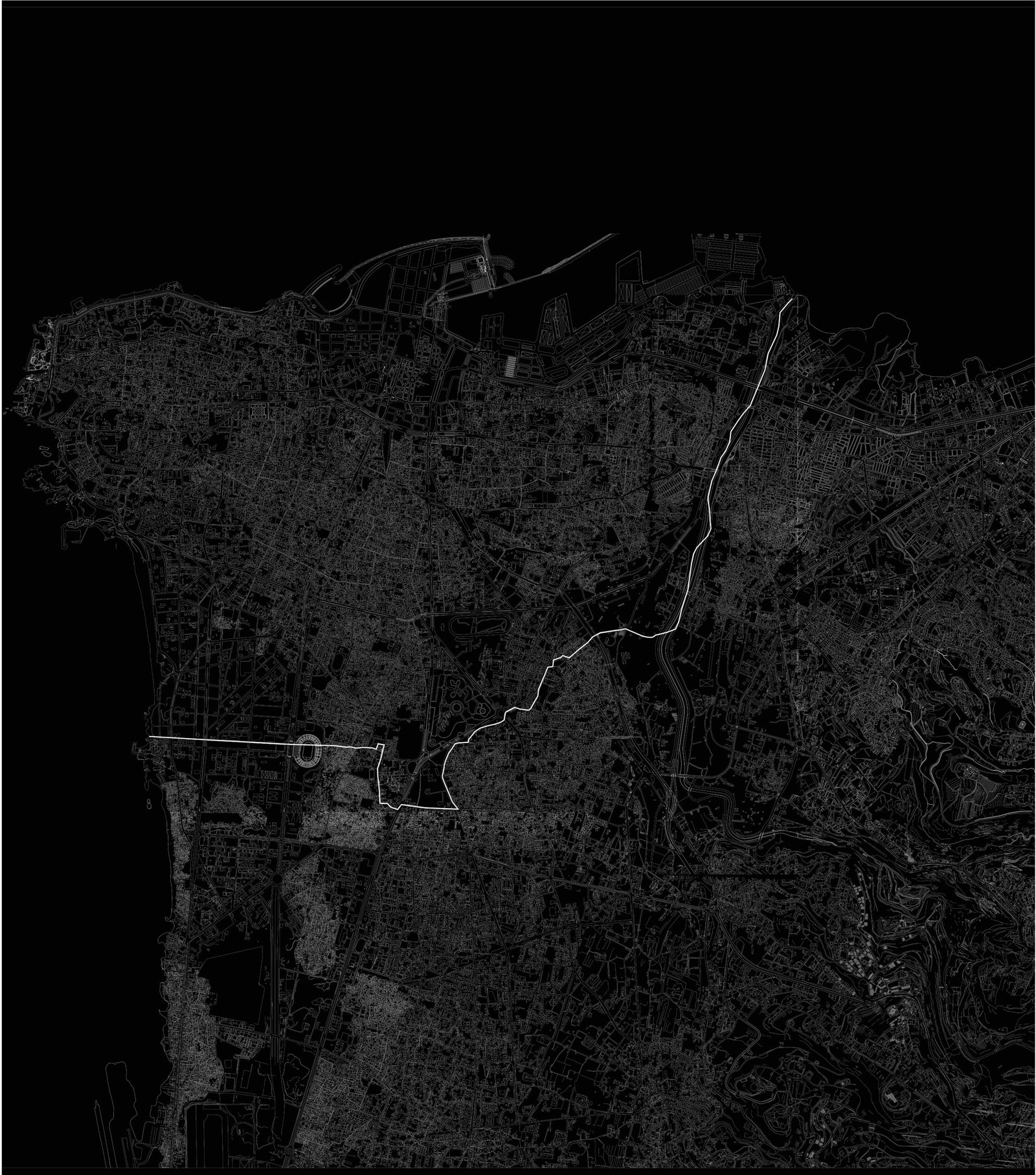
This exhibition emerges from my personal, academic, and artistic engagement with Beirut’s margins, particularly the neighborhoods of Sabra–Shatila and Jnah in the southern suburbs of the Beirut district. Through photography, I intended to explore and document the layered existence of these urban environments, where density, environmental fragility, and disadvantaged settlement conditions coexist with human improvisation, resilience, and the persistence of life. These spaces reveal not only vulnerability but also the quiet persistence of daily life amidst uncertainty and constraint.
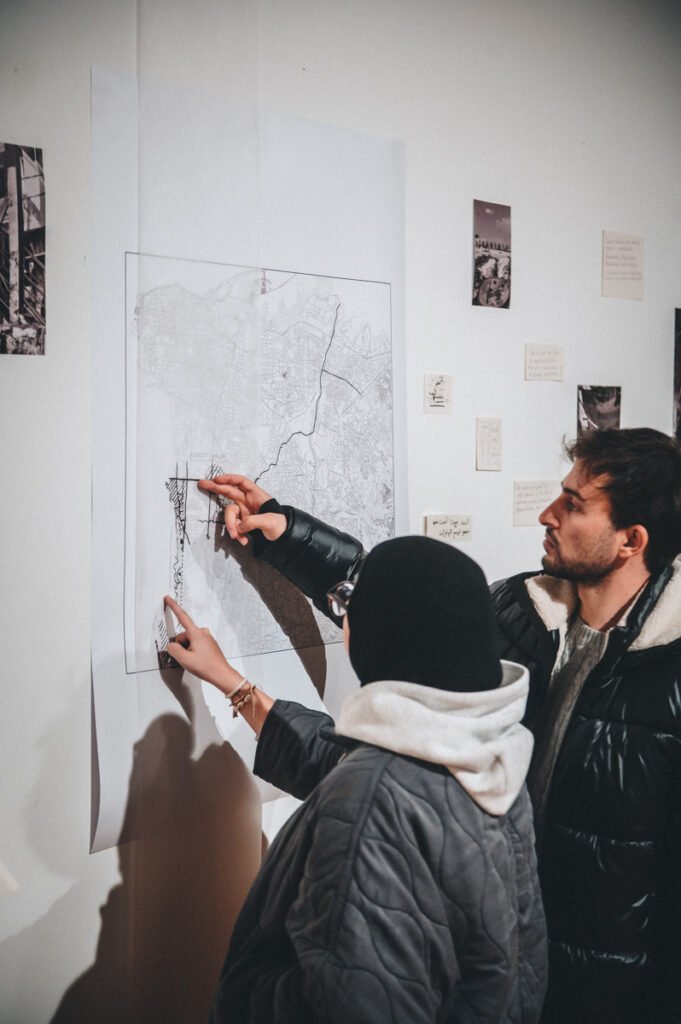
The project originates from the author’s Ph.D. research at Gdańsk University of Technology, where he examined the transformation of disadvantaged neighbourhoods in Greater Beirut, focusing on the relationship between people and place, and on social and spatial practices that often remain invisible within formal planning discourse. Sabra–Shatila and Jnah embody the contrasts, improvisations, and layered dynamics of Beirut’s margins.
Sabra–Shatila, dense and labyrinthine, reveals collective endurance shaped by scarcity, proximity, and confinement. Located adjacent to the Beirut–Saida coastal highway and concealed behind a continuous concrete wall, the neighbourhood exists in direct tension with major infrastructure, including the vacant Sport City Stadium, a dominant landmark in the area. This proximity reflects both physical and symbolic marginalization, while also embedding layers of historical trauma. During the 1982 Sabra and Shatila massacre, the stadium was used as a detention and interrogation site, and the nearby Shatila cemetery remains a place of memory and mourning. Within these constrained and heavily burdened surroundings, everyday life continues to unfold through adaptation, solidarity, and persistence.
While Jnah’s is a coastal informal settlement unfolds along the Mediterranean Sea, where human adaptation emerges in response to environmental exposure, coastal vulnerability, and urban fragility. The sea is both a source of openness and uncertainty, shaping daily routines, spatial practices, and ways of inhabiting. Residents continuously negotiate between land and water, adapting their dwellings and environments to shifting conditions, while maintaining a strong connection to place shaped by risk, resourcefulness, and resilience.
These neighbourhoods are not static; they unfold through the rhythms of everyday life, the improvisations of residents, and the ongoing negotiation between built form and social practice.
Over more than six years of repeated travel between Gdańsk and Beirut, I engaged these neighborhoods through presence, walking, and observation. I experienced their streets with my body and senses, witnessing the textures, atmospheres, and rhythms that shape daily life. Living at a distance allowed me a dual perspective: reflective detachment alongside ethical proximity. This tension shaped my photographic practice, where each image became a negotiation between witnessing and restraint, empathy and intrusion. The photographs capture gestures and improvisations that define urban life: a street vendor arranging vegetables and fruits; the aroma of coffee or tea spilling into the street; a barber at work in a narrow shop; a pawnshop owner counting coins; a group of women sharing the street with neighbors of different ages; children moving through narrow alleys; a solitary passerby negotiating space. These moments reveal the intimate relationship between human existence and urban form, the way social life adapts to the constraints and possibilities of the built environment.
Equally, the architectural environment is a mosaic of improvisation and human need. Buildings are layered and heterogeneous: unfinished structures with iron bars, concrete blocks, water collectors on rooftops, tin patches, curtains hung for privacy and sunlight, and street roofs transformed into urban interiors through tents, cables, and awnings. The streets themselves become semi-public spaces, where neighbors share seating, electricity connections, and informal signage, while billboards, electric poles, and street infrastructure intersect with everyday life. These architectural interventions, spontaneous, and deeply meaningful, reveal the ingenuity of residents in shaping livable spaces through improvisation.
Through these photographs, this project transforms research, embodied experience, and memory into a visual narrative. Each frame reflects my architectural background and commitment to understanding space not just as physical form, but as lived reality. Photography becomes a way of translating spatial conditions, social improvisations, and architectural gestures into visual language, revealing the fragile persistence, relational urbanity, and layered existence of Beirut’s margins.
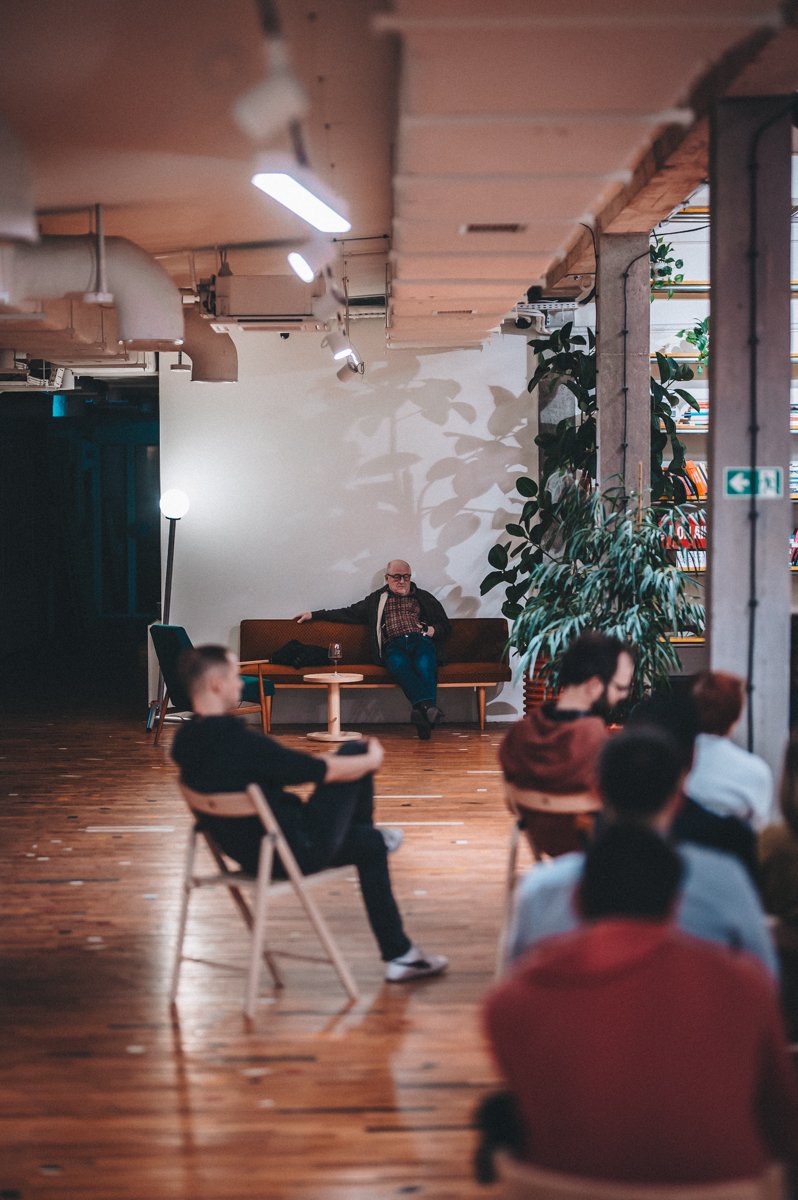
Presented in Gdańsk, the exhibition carries personal and cross-cultural significance. As an architect, researcher, and expatriate, I carry Beirut in my memory while inhabiting another urban context. The exhibition is a bridge, sharing the improvisation, persistence, and rhythms of life in Beirut’s margins while inviting reflection on universal themes: how communities adapt to adversity, how space shapes human interaction, and how marginalized neighborhoods carry memory, identity, and collective ingenuity.
|Dominika Gołębiewska| |Aneta Lehmann|
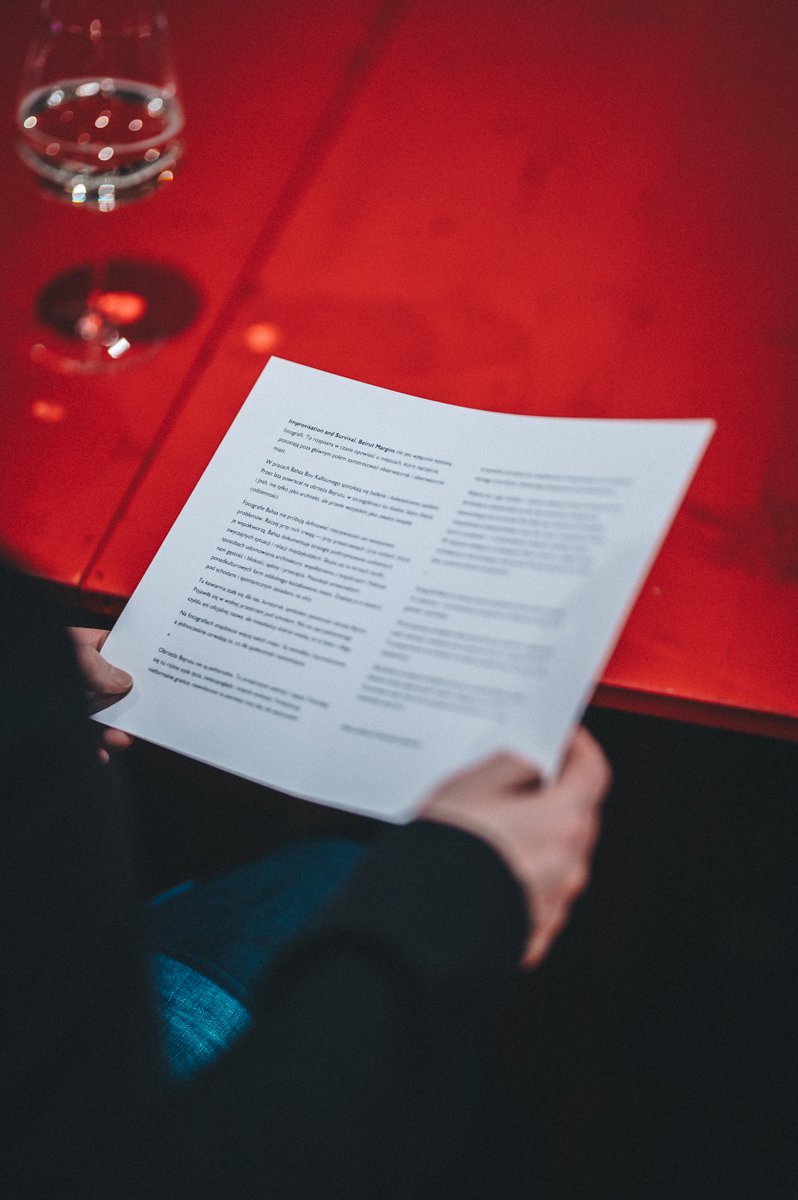
Improvisation and Survival. Beirut Margins to nie tylko wystawa fotografii. Dla nas jest to czuła, rozpisana w czasie opowieść o miejscach, które najczęściej pozostają poza polem widzenia.
W pracach Bahaa Bou Kalfouniego spotykają się badania i doświadczenie osobiste. Przez lata powracał on do obrzeży Bejrutu, w szczególności do dzielnic Sabra–Shatila i Jnah, nie tylko jako architekt i badacz, ale przede wszystkim jako uważny świadek codzienności. Jego fotografie nie próbują uchwycić ani zdefiniować rzeczywistości. Raczej przy niej trwają — przy przestrzeniach i przy ludziach, którzy je współtworzą. Z tej obecności wyłania się opowieść budowana przez bliskość, uważność i etyczną wrażliwość.
Szczególnie poruszające jest to, w jaki sposób prace te pokazują architekturę. Nie jako statyczne tło, lecz jako żywy, sprawczy element rzeczywistości. W tych dzielnicach przestrzeń nieustannie się zmienia, jest negocjowana, adaptowana i przekształcana. Życie rozgrywa się w szczelinach — w dobudówkach, przejściach, wspólnych progach, w miejscach, które powstają tam, gdzie wcześniej ich nie było.
Zapadła nam w pamięć opowieść o niewielkiej kawiarni ukrytej pod schodami. Nie ma szyldu ani oficjalnej nazwy, funkcjonuje pod imieniem właściciela. O określonej porze wiadomo, gdzie przyjść na kawę. Ten prosty obraz dobrze oddaje charakter tych przestrzeni — ich zdolność do podtrzymywania relacji, rytuałów i codziennych spotkań. Na fotografiach pojawiają się kolejne podobne miejsca — niewielkie, improwizowane, a jednocześnie trwałe w swoim znaczeniu.
Obrzeża Bejrutu nie są jednorodne. To przestrzenie spotkań, ale też napięć. Przenikają się tu różne style życia, światopoglądy i stopnie wolności. Funkcjonują nieformalne granice, niewidoczne na pierwszy rzut oka, ale wyczuwalne w sposobie poruszania się, bycia i współistnienia. Poruszanie się po tych dzielnicach to także nauka odczytywania tych subtelnych zasad.
Wyłania się z tego mozaika — złożona, miejscami krucha, ale jednocześnie intensywnie żywa. Architektura odzwierciedla ten stan: jest warstwowa, niedokończona, dostosowująca się do potrzeb. Nosi ślady czasu, obecności i codziennych działań mieszkańców.
W tej opowieści szczególnie wybrzmiewa siła życia — zdolność do adaptacji, tworzenia i nadawania sensu przestrzeni nawet w trudnych warunkach. To przypomnienie, że architektura nie tylko porządkuje życie, ale może je także współtworzyć.
Fotografie Bahaa nie oferują prostych odpowiedzi. Zamiast tego zapraszają do uważności — do zatrzymania się, spojrzenia i bycia bliżej. Pokazują kruchość, ale też godność i wytrwałość.
Zapraszamy do przejścia przez barwne korytarze przedmieść Bejrutu — między tkaninami markiz, plątaniną kabli i światłem odbijającym się od betonu. Do doświadczenia miejsc, które mogą wydawać się peryferyjne, a okazują się pełne życia — spontanicznego, intensywnego i nieoczywiście życiodajnego.
Zapraszamy do odkrywania,
GRID ATHUB
“For any exhibition-related inquiries, please contact us at: info@babu-sa.com

OPERATED BY BRAINY MEDIA AGENCY | +961 76132354
Copyright © 2025. All rights reserved.
OPERATED BY BRAINY MEDIA AGENCY | +961 76132354
Copyright © 2025. All rights reserved.